Cubans Turn to Spanish Citizenship as Migration Reshapes Both Cuba and Spain
New nationality figures reveal how Cuba’s crisis, family history, and Spain’s legal pathways are changing the lives of thousands of migrants
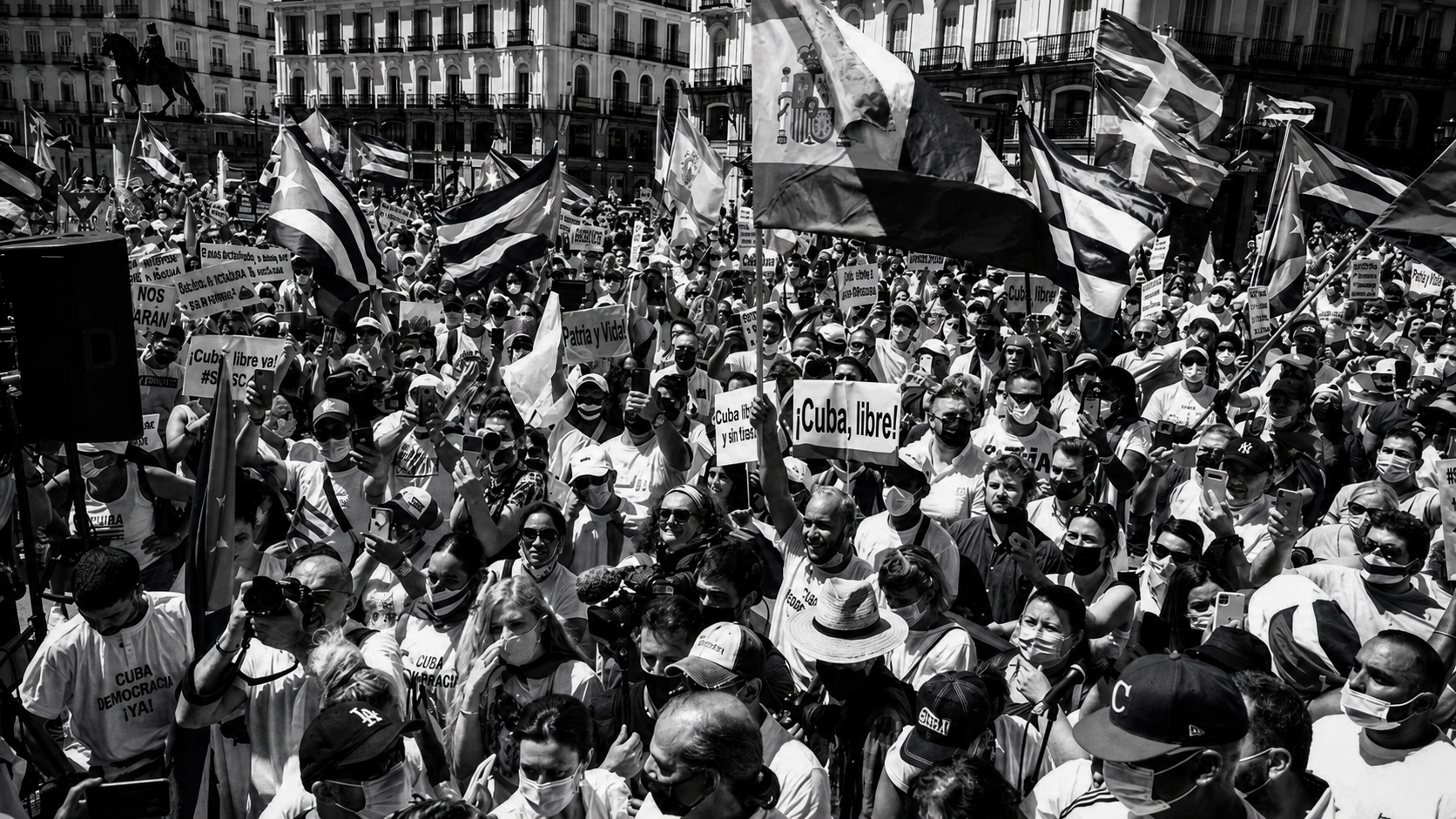
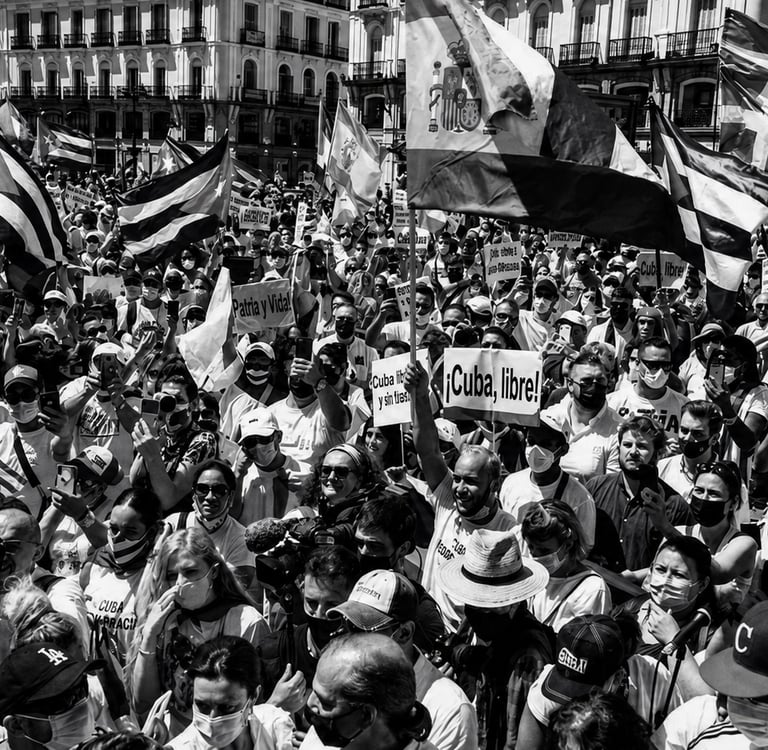
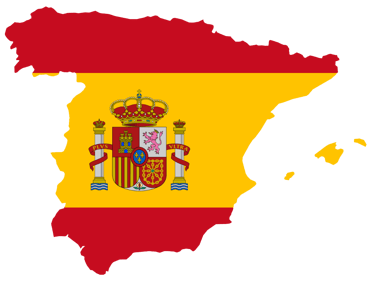
Cubans were among the foreign born groups most likely to obtain Spanish citizenship in 2025, according to figures published by Spain’s National Statistics Institute. Around 14,390 people born in Cuba became Spanish citizens during the year, making citizenship (ciudadanía) one of the most visible signs of the growing Cuban presence in Spain. The number placed Cuba sixth among countries of origin for new Spanish nationals, behind Morocco, Colombia, Venezuela, Honduras, and Peru. It also put Cuba ahead of larger countries such as Ecuador, Argentina, the Dominican Republic, and Nicaragua.
The increase was especially striking because it was much higher than the previous year’s total. In 2024, 8,045 Cuban born residents obtained Spanish nationality, meaning the 2025 figure was almost double. This rise reflects not only administrative processing, but also the broader migration (migración) wave that has pushed many Cubans to seek a more stable future abroad. Spain has become one of the most important destinations because of shared language, family links, legal advantages, and cultural familiarity. For many Cuban families, a Spanish passport represents security, mobility, and a connection to Europe.
The Cuban community in Spain has expanded rapidly during the past several years. At the start of 2025, official data showed 252,290 residents born in Cuba living in Spain. In the following months, another 43,300 arrivals from the island were recorded in the Continuous Population Statistics. These figures show how the community (comunidad) has moved from being a smaller diaspora group to one of the most dynamic Latin American populations in the country. Nearly 300,000 people born in Cuba now reside in Spain, creating new social, economic, and political links between the two countries.
One reason Cubans can move more quickly toward Spanish nationality is the special treatment given to citizens of Ibero American countries. In general, foreigners must live legally in Spain for ten years before applying for citizenship. However, nationals of Latin American countries, including Cubans, may apply after only two years of legal residence. This shorter residence (residencia) requirement makes Spain particularly attractive for migrants who want long term security and legal recognition. It also explains why many Cuban migrants view Spain not just as a place to work, but as a country where they can eventually belong.
Another important pathway is the Democratic Memory Law, which has had a major impact in Cuba. The law allows certain descendants of Spaniards who left the country in earlier historical periods to apply for Spanish nationality. In Cuba, where many families have Spanish ancestry, this route has opened the door for hundreds of thousands of people to begin or complete the process. The importance of ancestry (ascendencia) is therefore not only symbolic, but also practical. For many applicants, family history has become a legal bridge between the island and Spain.
The process is not always simple, even when a person qualifies under Spanish law. Applicants often need birth certificates, family records, residence documents, consular appointments, translations, and proof that the legal requirements are met. In Cuba, bureaucratic delays, limited appointments, and difficulties obtaining documents can slow down the path to nationality. The documents (documentos) required may represent months or even years of effort. This means that the final grant of citizenship often reflects a long period of waiting, planning, and administrative persistence.
Spain as a whole granted nationality to 299,732 foreigners in 2025, the highest figure in the past decade. This represented an increase of 18.7% compared with the previous year and showed how strongly immigration is reshaping Spanish society. Most of the new citizens came from Latin American countries, confirming the deep demographic and cultural connection between Spain and the Spanish speaking Americas. The nationality (nacionalidad) figures also suggest that Spain is increasingly becoming a country of settlement rather than only a country of temporary migration. For thousands of families, obtaining citizenship marks the end of uncertainty and the beginning of a more secure legal status.
Most successful applications in 2025 were granted on the basis of residence. Of the nearly 300,000 favourable decisions, 253,836 corresponded to this ordinary route. The most common year of arrival among those who obtained nationality was 2019, suggesting that the full journey from arrival to citizenship often took about six years. This process (proceso) is longer than the minimum legal residence period because applicants must also gather documents, submit the file, pass administrative checks, and wait for a final decision. The result is that citizenship often comes after several years of integration into Spanish daily life.
Catalonia and the Community of Madrid were the regions where the largest numbers of people obtained Spanish nationality. Catalonia recorded 70,933 new Spanish citizens, while Madrid recorded 69,566. Together, these two regions accounted for nearly half of all nationalisations in Spain during the year. Their economic strength, job opportunities, transport connections, and large migrant networks make them natural centres of integration (integración) for newcomers. For Cubans, Madrid in particular has become an important destination because of its administrative institutions, Latin American networks, and direct cultural visibility.
The Cuban movement toward Spain must also be understood in relation to the crisis on the island. Cuba has faced severe economic hardship, shortages, power cuts, political repression, and a loss of confidence among many citizens. Since 2021, emigration has accelerated on a scale that many observers describe as unprecedented in modern Cuban history. This crisis (crisis) has affected not only the number of people leaving, but also the age and professional profile of those who depart. Many are young adults, workers, students, and professionals whose absence deepens Cuba’s demographic and economic problems.
Demographers have warned that Cuba’s official population figures may not fully capture the scale of the decline. The Cuban government has acknowledged a population below ten million, while some independent estimates suggest the effective population may be closer to eight million. Between 2021 and 2024, more than one million inhabitants are believed to have left the island. The scale of the exodus (éxodo) has created a profound demographic shock. A country that once feared brain drain now faces the broader possibility of losing a large share of its working age population.
This demographic decline has consequences for schools, hospitals, families, agriculture, and the labour market. When many younger people leave, the population that remains becomes older, more dependent, and more vulnerable to shortages. Families are increasingly divided between relatives on the island and relatives abroad who send remittances, documents, invitations, or support. The population (población) problem is therefore both statistical and emotional. It changes everyday life by transforming households, neighbourhoods, and expectations about the future.
For Spain, the arrival and naturalisation of Cubans brings both opportunities and challenges. Cuban migrants can help fill labour gaps, contribute to local economies, create businesses, and strengthen cultural ties with Latin America. At the same time, they need access to housing, employment recognition, healthcare, education, and administrative support. The opportunities (oportunidades) created by migration depend heavily on whether new arrivals can integrate successfully. Citizenship helps with this process because it gives people stronger rights, more stability, and a clearer sense of belonging.
For Cubans themselves, Spanish citizenship often means much more than a passport. It can mean the ability to work freely, travel within the European Union, reunite with family members, and plan a future without the constant fear of losing legal status. It can also create a new identity that combines Cuban memory with Spanish civic belonging. The emotional value of belonging (pertenencia) is especially strong for people who left their country during a period of hardship. They may gain a new nationality while still carrying the pain of separation from their homeland.
The rise in Cuban naturalisations also reflects a larger historical circle between Spain and Cuba. Spain was once the colonial power on the island, and many Cuban families still preserve Spanish surnames, grandparents’ stories, regional roots, and cultural traditions. Today, that historical connection is being reactivated through migration law and family memory. The history (historia) linking the two countries has become part of a very modern movement of people seeking security and opportunity. What was once a colonial relationship has become a channel of citizenship, diaspora, and personal reconstruction.
The 2025 figures therefore tell a story that goes beyond statistics. They show how Spain’s nationality system, Cuba’s economic crisis, family ancestry, and migration networks are converging in the lives of thousands of people. For Spain, the growing Cuban presence is part of a wider transformation into a more diverse society shaped by Latin American migration. For Cuba, the same numbers reveal a painful future (futuro) in which many citizens see their best hopes outside the island. Spanish citizenship may offer security to individuals, but it also highlights the depth of the crisis that made so many people leave in the first place.
Key Spanish Vocabulary
ciudadanía citizenship
migración migration
comunidad community
residencia residence
ascendencia ancestry
documentos documents
nacionalidad nationality
proceso process
integración integration
crisis crisis
éxodo exodus
población population
oportunidades opportunities
pertenencia belonging
historia history
futuro future
For enquiries or suggestions: pr@instituto-espanol.com
Come visit Spain!
© Copyright 2026 Instituto Español
Learn the official language of Spain in 30 days thanks to the most complete Grammar, Vocabulary and Culture courses available. Start speaking Spanish today!