
BECOME SPANISH
SPEAK LIKE A REAL NATIVE
AUTHENTIC SPANISH LIVING
From its emergence as a unified kingdom in the late 15th century under the Catholic Monarchs to the vast global influence of the Spanish Empire, Spain has played a defining role in world history. Its rich cultural tapestry reflects influences from Roman, Visigothic, Islamic, and Christian civilizations, blended with deeply rooted Iberian traditions. With its stunning architectural heritage, from medieval fortresses and grand cathedrals to vibrant plazas and Moorish palaces, Spain offers a timeless journey through its dynamic and enduring cultural legacy.
After the transition to democracy following the end of the Franco era in the late 20th century, Spain underwent a remarkable transformation. The nation embraced political and economic modernization, becoming one of Europe’s leading cultural and economic powers and a key member of the European Union. Its thriving arts scene, world-renowned gastronomy, expanding tourism industry, and growing focus on innovation and education showcase a country that honors its past while embracing the future. Today, Spain is celebrated for its regional diversity, passionate traditions, global cultural influence, and the enduring spirit of its people.
We have created a selection of Spanish words and expressions that you won't find in any textbook or course, to help you become a real native speaker by understanding Spanish words that carry a deeper cultural meaning while also expanding your knowledge of the country and its history.
Speak and think like a real Spaniard!


EXPAND YOUR KNOWLEDGE
If you are serious about learning Spanish, we recommend that you download the Complete Spanish Master Course.
You will receive all the information available on the website in a convenient portable digital format as well as additional contents: over 15.000 Vocabulary Words and Useful Phrases, in-depth explanations and exercises for all Grammar Rules, exclusive articles with Cultural Insights that you won't find in any other textbook so you can amaze your Spanish friends and business partners thanks to your knowledge of their country and history.
With a one-time purchase you will also get hours of Podcasts to Practice your Spanish listening skills as well as Dialogues with Exercises to achieve your own Master Certificate.
Start speaking Spanish today!
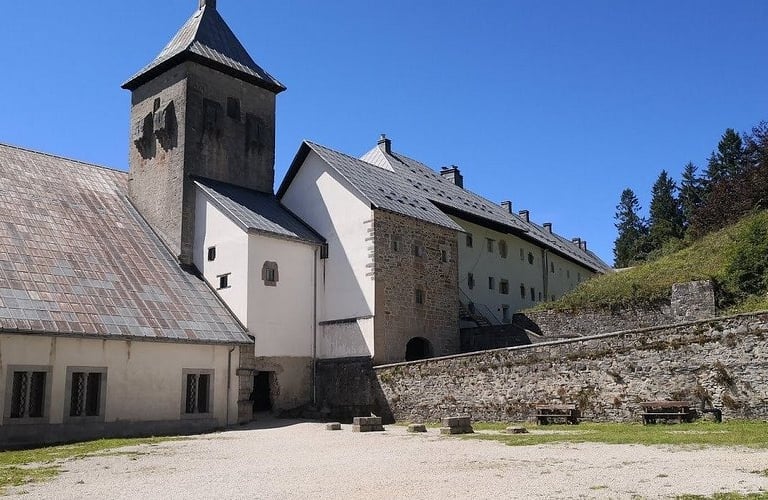
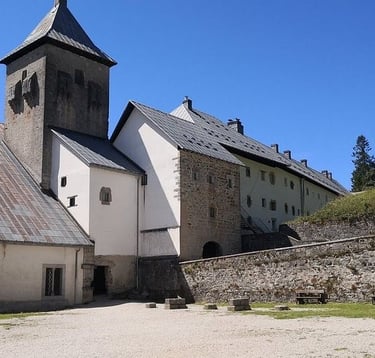
ALBERGUE DE PEREGRINOS
The albergue de peregrinos (pilgrims’ hostel) is a lodging facility specifically designed to accommodate individuals undertaking traditional pilgrimage routes in Spain, most notably the Camino de Santiago. These hostels form an essential part of the country’s long-standing pilgrimage infrastructure and operate under a distinct model that differs from conventional tourist accommodation. Their primary function is to provide affordable, simple lodging to pilgrims who travel on foot, by bicycle, or occasionally on horseback, following established spiritual routes recognized for centuries.
Historically, hospitality for pilgrims in Spain dates back to the Middle Ages, when religious institutions, monasteries, and charitable brotherhoods offered shelter to travelers journeying to sacred sites. Over time, this tradition evolved into a more structured network of facilities. Modern albergues can be publicly managed by municipal authorities, religious organizations, or regional governments, or privately operated under regulated standards. Public hostels often prioritize pilgrims carrying an official credential, known as a credencial, which is stamped at each stage of the route to document progress.
Facilities in an albergue de peregrinos are typically modest and communal. Dormitory-style sleeping arrangements are standard, with bunk beds and shared bathrooms. The emphasis is on functionality rather than comfort. Many hostels provide communal kitchens, laundry areas, and shared dining spaces to encourage interaction among guests. This social dimension is considered an important part of the pilgrimage experience, fostering intercultural exchange among participants from different countries and backgrounds.
Access rules often reflect the ethos of pilgrimage. Stays are usually limited to one night, except in cases of illness or injury. Check-in and check-out times are structured to align with the rhythm of long-distance walking. Some albergues operate on a donation basis, while others charge a fixed, low fee intended to cover maintenance costs rather than generate profit. The focus remains on supporting the journey rather than offering commercial tourism services.
In addition to practical accommodation, albergues frequently serve as information hubs. Staff or volunteers provide guidance on route conditions, weather forecasts, safety considerations, and nearby services. In many cases, volunteers known as hospitaleros manage the hostels, continuing a tradition of service deeply embedded in Spanish pilgrimage culture.
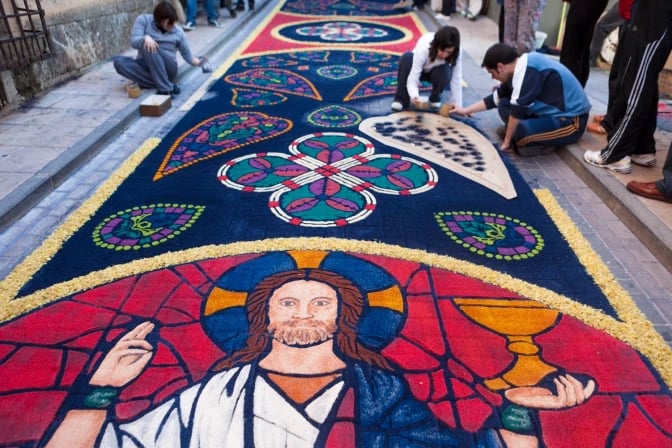
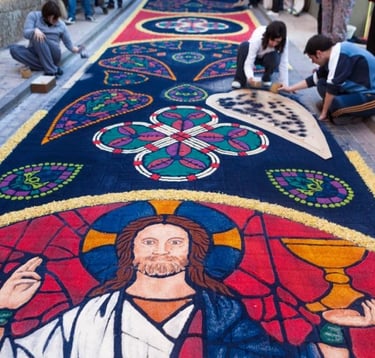
ALFOMBRA DE CORPUS
The alfombra de Corpus (Corpus Christi carpet) is a decorative pavement artwork created for the Catholic feast of Corpus Christi, which is widely celebrated in Spain. These temporary carpets are made using natural and colored materials arranged directly on streets and public squares along the route of religious processions. Their function is both devotional and ceremonial, transforming urban space into a symbolic setting for liturgical observance.
Corpus Christi commemorates the presence of the Eucharist in Christian theology and is traditionally observed in late spring or early summer. In Spain, the feast is marked by solemn processions in which a consecrated host is carried through the streets under a canopy. The alfombra de Corpus is prepared in advance by residents, religious brotherhoods, and community associations who collaborate to design and assemble intricate patterns. The carpets serve as a visual tribute along the path of the procession.
Materials used in an alfombra de Corpus typically include flower petals, leaves, colored sawdust, sand, salt, and other organic elements. These components are carefully arranged to create geometric motifs, religious symbols, floral compositions, or biblical scenes. The designs are usually planned beforehand using sketches or templates to ensure proportional accuracy. Preparation often begins during the night or early morning before the procession takes place.
The practice reflects a combination of religious devotion and collective civic participation. While the tradition is rooted in Catholic ritual, it also functions as a form of community expression. Families and local groups take responsibility for specific sections of the route, reinforcing neighborhood cooperation. The ephemeral nature of the carpets is significant: once the procession passes over them, the artwork is gradually dispersed and removed. This temporary quality emphasizes the ceremonial purpose rather than permanence.
In some Spanish towns, the alfombra de Corpus tradition has developed distinctive stylistic features, though the underlying structure remains consistent across the country. Municipal authorities often coordinate logistics such as traffic restrictions and cleaning services. The event may also attract visitors interested in religious heritage and traditional craftsmanship.
ALIOLI
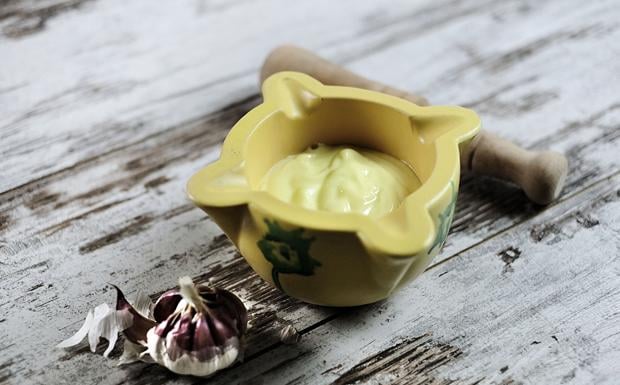
The alioli (garlic and oil sauce) is a traditional emulsion made primarily from garlic and olive oil, forming part of Spain’s long-established culinary heritage. The name derives from the combination of the words for garlic and oil, reflecting its minimal ingredient composition. Although variations exist, the classical preparation consists solely of crushed garlic gradually emulsified with olive oil, producing a thick, creamy consistency without the use of egg.
Historically, alioli has roots in Mediterranean food culture and has been documented in Spanish culinary practice for centuries. Its preparation requires controlled, continuous mixing to bind the oil with the natural compounds released from garlic. Traditionally, the sauce is prepared using a mortar and pestle, which allows slow incorporation of oil into the garlic paste. The emulsion forms through mechanical action rather than chemical additives, and maintaining stability depends on steady technique.
In contemporary kitchens, some variations incorporate egg yolk to facilitate emulsification and ensure consistency. However, purist interpretations emphasize the original method without egg, distinguishing alioli from mayonnaise-based sauces. The resulting texture is dense and intensely flavored, with a pronounced garlic profile balanced by the fruitiness of olive oil.
Alioli is typically served as a condiment accompanying grilled meats, fish, vegetables, or rice dishes. It is commonly paired with seafood preparations and can also be served alongside fried potatoes. In some contexts, it forms part of shared dining traditions associated with Spanish tapas culture. Its strong flavor profile means that it is generally used in small quantities to complement rather than dominate a dish.
From a nutritional standpoint, alioli is high in monounsaturated fats due to its olive oil base. The absence of dairy or processed additives aligns it with traditional Mediterranean dietary patterns. The sauce is usually prepared fresh and consumed promptly, as natural emulsions without stabilizers can separate over time.


AZULEJO
The azulejo (glazed ceramic tile) is a decorative architectural element widely used in Spain for wall coverings, façades, floors, fountains, and interior ornamentation. Characterized by a glazed surface and often intricate painted designs, the azulejo has played a significant role in Spanish visual culture since the late medieval period.
The technique of producing glazed ceramic tiles was introduced to the Iberian Peninsula during the Islamic presence in medieval Spain. Craftsmen developed advanced methods of tin-glazing, which created an opaque white surface suitable for painted decoration. Over time, Spanish workshops refined these techniques, producing tiles featuring geometric patterns, vegetal motifs, heraldic symbols, and later figurative scenes. The decorative vocabulary evolved alongside broader artistic movements, including Renaissance and Baroque influences.
Azulejos are manufactured by shaping clay into flat squares, firing them in a kiln, applying glaze and painted decoration, and firing them again to fix the design. The glazing process creates a smooth, water-resistant surface, making the tiles suitable for both decorative and practical applications. Their durability and ease of cleaning contributed to their widespread adoption in domestic, religious, and civic architecture.
In Spanish buildings, azulejos often serve both aesthetic and functional purposes. They protect walls from humidity while simultaneously providing color and ornamentation. In religious architecture, tile panels have been used to depict biblical scenes or saints, while in secular contexts they may illustrate historical events, landscapes, or everyday life. Large-scale tile compositions became especially prominent from the 16th century onward.
The use of azulejos also reflects climatic considerations. In warmer regions, ceramic surfaces help regulate indoor temperatures by maintaining cooler wall surfaces. Courtyards, staircases, and kitchens frequently incorporate tiled decoration for this reason.


BRAVAS
The term bravas (spicy potatoes) refers to a popular Spanish tapa consisting of fried potato pieces served with a characteristic spicy sauce. The full name of the dish is patatas bravas, but in everyday speech it is commonly shortened to bravas. It is one of the most widely recognized small dishes in Spanish bar culture and is regularly served in casual dining establishments.
Preparation begins with cutting potatoes into medium-sized cubes or irregular chunks. They are typically fried in oil until the exterior becomes crisp while the interior remains soft. The defining element of bravas is the sauce, known as salsa brava. Although recipes vary, the sauce generally includes ingredients such as tomato, paprika, olive oil, flour, and chili or cayenne pepper to create moderate heat. The texture can range from smooth to slightly thickened.
Bravas are served as a shared dish placed at the center of the table, reflecting Spain’s social eating patterns. They are often accompanied by other tapas and consumed alongside beverages such as beer or wine. In some establishments, an additional sauce such as alioli is added, creating a contrast between spicy and creamy flavors.
The origins of bravas are linked to urban bar culture in the mid-20th century, when tapas became an established component of informal dining. The dish gained popularity because of its relatively low cost, simple preparation, and compatibility with alcoholic drinks. Over time, it became a standardized offering in many regions of Spain, although minor variations in sauce composition and presentation persist.
From a nutritional perspective, bravas provide carbohydrates from potatoes and fats from frying oil. The sauce contributes additional flavor but also increases caloric content. Modern adaptations sometimes include oven-baked versions as a lighter alternative.
CABALGATA DE REYES
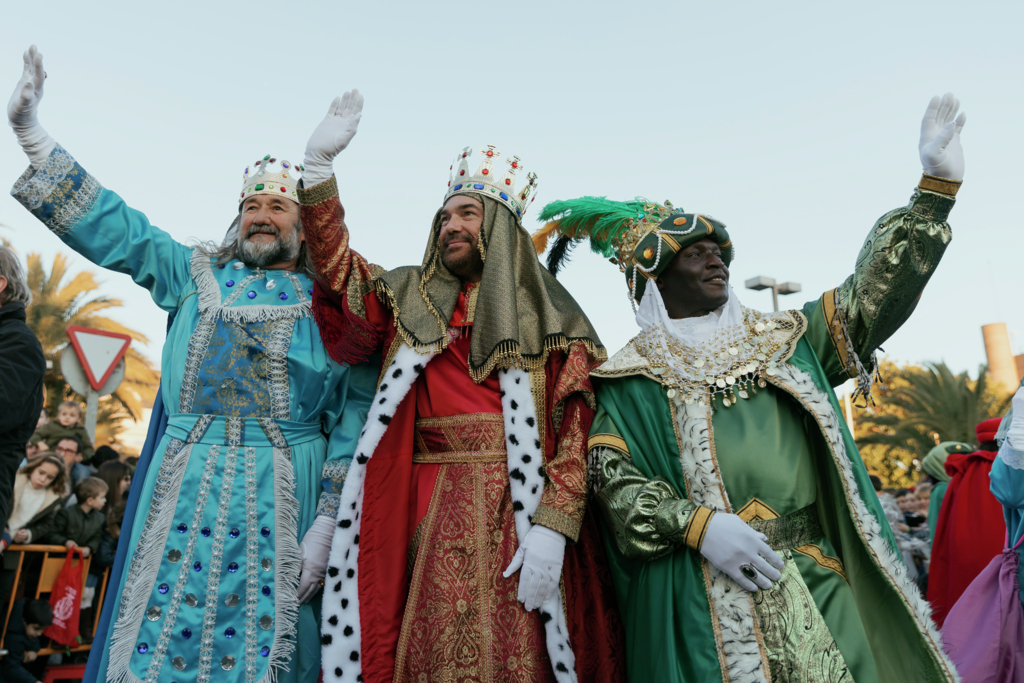
The cabalgata de Reyes (Three Kings parade) is a public procession held annually on the evening of January 5 to celebrate the arrival of the Three Wise Men, known in Spain as the Reyes Magos. This event marks the culmination of the Christmas season and precedes Epiphany Day on January 6, which is traditionally associated with gift-giving in Spanish culture.
The parade typically features participants dressed as the biblical figures Melchor, Gaspar, and Baltasar, who according to Christian tradition brought gifts to the infant Jesus. They travel through city streets on decorated floats, often accompanied by musicians, performers, and themed groups representing different scenes or stories. The procession is organized by municipal authorities in coordination with cultural associations and community groups.
A central feature of the cabalgata de Reyes is the distribution of sweets and small gifts to children gathered along the route. Participants on the floats throw wrapped candies into the crowd, creating a festive atmosphere. Families attend the parade together, and children often bring letters addressed to the Reyes Magos, expressing their wishes for presents.
Historically, the tradition of the parade developed in the late 19th century and gradually expanded across Spain during the 20th century. Over time, it became institutionalized as an annual municipal event. While the religious narrative remains foundational, the parade also functions as a civic celebration that combines cultural performance with seasonal festivity.
The organization of the event requires logistical planning, including security measures, traffic management, and crowd control. Large cities may host elaborate processions with multiple floats and extensive participation, while smaller towns organize more modest versions adapted to local scale.
CASTAÑUELAS
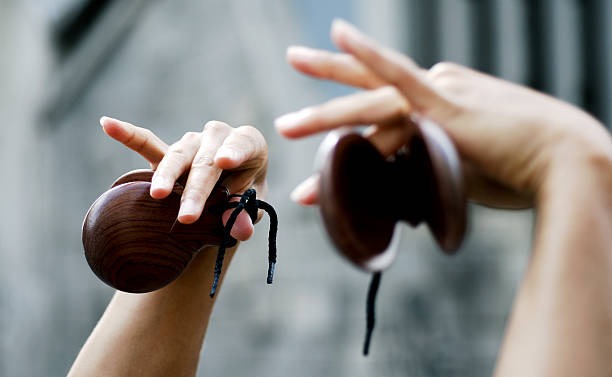
The castañuelas (castanets) are handheld percussion instruments traditionally associated with Spanish music and dance, particularly within flamenco and certain forms of folkloric performance. They consist of two concave wooden shells joined by a cord, which are attached to the thumbs and struck together by finger movement to produce rhythmic clicking sounds.
Each pair of castañuelas is composed of a right-hand and left-hand instrument, often tuned slightly differently in pitch. The right-hand castanet, known for producing sharper and higher tones, typically carries more complex rhythmic patterns. The left-hand castanet provides lower, supporting beats. Skilled performers coordinate intricate finger movements to create rapid and precise rhythms.
The instruments are traditionally made from hardwoods such as granadillo or ebony, selected for durability and acoustic clarity. Modern versions may also use synthetic materials to ensure consistent sound quality and resistance to humidity. The shape and thickness of the shells influence tone and projection, and professional dancers often select castanets tailored to their technique.
In performance contexts, castañuelas are closely linked to dance. Dancers integrate rhythmic striking patterns with coordinated arm and body movements. The sound complements guitar accompaniment and vocal elements, reinforcing the structured rhythmic cycles characteristic of Spanish musical forms. In some classical compositions, castanets are incorporated into orchestral arrangements to evoke Spanish stylistic elements.
Historically, castanets have been used in the Iberian Peninsula since ancient times, with evidence suggesting variations of clapper instruments in earlier Mediterranean cultures. Over centuries, their use became codified within Spanish performing arts. They are now widely recognized as symbolic of Spanish dance tradition.
Training to master castañuelas requires finger strength, coordination, and rhythmic accuracy. Instruction often begins in dance academies where students learn standardized patterns and performance posture. Despite modernization in musical instrumentation, castanets remain an identifiable component of Spain’s performing arts heritage, continuing to appear in both traditional and staged performances.
CHIRIGOTA
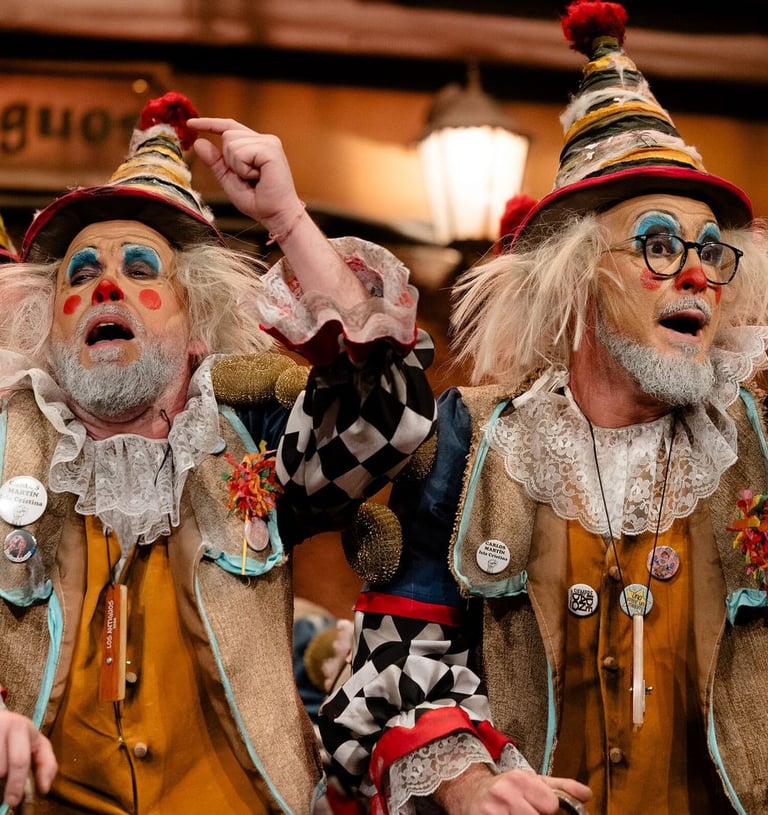
The chirigota (satirical carnival group) is a musical ensemble that performs humorous and critical songs during Spain’s carnival season. The tradition is most strongly associated with organized carnival competitions, where groups present original compositions combining satire, social commentary, and theatrical presentation. Chirigotas form part of a structured carnival format that includes other ensemble types with varying musical and thematic characteristics.
A chirigota typically consists of a group of performers dressed in coordinated costumes reflecting a chosen theme. Members sing in harmony accompanied by simple percussion instruments such as bass drum and snare. The musical structure generally includes an introductory presentation, narrative verses, and a recurring chorus. Lyrics are newly written each year and frequently address political developments, economic issues, cultural trends, and public figures.
The defining feature of the chirigota is its use of humor as a vehicle for commentary. Performers employ wordplay, irony, parody, and exaggeration to critique current events. Although the tone is comedic, the content often reflects informed awareness of national and local affairs. Audiences are expected to recognize references and appreciate layered meaning within the lyrics.
Preparation for a chirigota performance involves months of rehearsal and composition. Groups compete in organized carnival contests judged on vocal quality, originality, lyrical content, and stage presence. These competitions are broadcast and attract substantial public attention during the carnival period.
Historically, the chirigota developed as a popular expression of social observation during festive celebrations preceding Lent. Over time, it became institutionalized within structured carnival programming. Despite its informal tone, participation often requires musical training and coordinated choreography.


CHOCOLATE CON CHURROS
The chocolate con churros (hot chocolate with fried dough sticks) is a traditional Spanish food combination typically consumed for breakfast or as a late-night snack. It consists of thick hot chocolate served alongside churros, which are elongated pieces of fried dough. The pairing is widely available in cafés and specialized establishments known as churrerías.
Churros are made from a simple dough composed of flour, water, and salt. The dough is extruded through a star-shaped nozzle to create ridged strips, which are then fried in hot oil until golden and crisp. After frying, they may be lightly dusted with sugar. The ridged shape increases surface area and contributes to the texture of the final product.
The chocolate served with churros differs from standard drinking chocolate in consistency. It is prepared with cocoa and thickened to produce a dense texture suitable for dipping. The churro is typically held by hand and dipped into the cup of chocolate before being eaten. This method emphasizes the contrast between the crisp exterior of the dough and the smooth, warm beverage.
The consumption of chocolate con churros is closely linked to social habits in Spain. It is commonly eaten during weekend mornings, festive occasions, and after nighttime celebrations. During colder months, especially around Christmas and New Year, demand for this combination increases. It is also associated with public events and fairs where temporary stands may serve freshly prepared churros.
Historically, fried dough preparations have existed in Iberian cuisine for centuries. The combination with chocolate became more prominent after cocoa was introduced to Europe in the early modern period. Over time, the pairing evolved into a standardized culinary practice.
From a nutritional perspective, chocolate con churros is high in carbohydrates and fats, reflecting its status as an indulgent rather than everyday staple. Despite modern dietary changes, it remains a widely recognized example of Spanish café culture and traditional breakfast or snack consumption patterns.
COMUNIDAD AUTÓNOMA
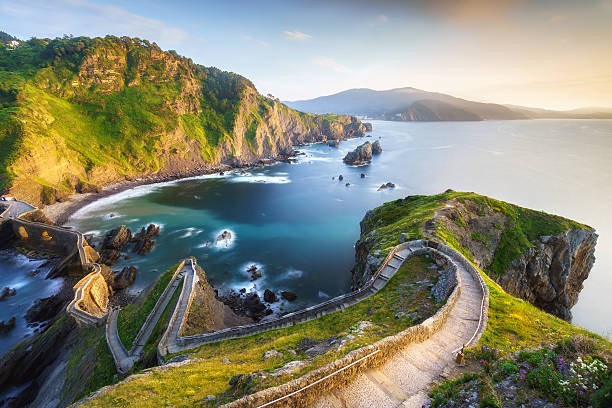
The comunidad autónoma (autonomous community) is a primary territorial division within Spain’s political and administrative system. Spain is organized into seventeen autonomous communities and two autonomous cities, each possessing a defined level of self-government established by the national constitution of 1978. This structure reflects Spain’s decentralized model of governance.
Each comunidad autónoma has its own regional parliament, executive government, and judicial administration within the framework permitted by national law. The powers granted to autonomous communities vary but generally include responsibility for areas such as education, healthcare, cultural policy, urban planning, and regional economic development. These competencies are formalized in a legal document known as the Estatuto de Autonomía, which defines the scope of authority for each region.
The creation of the autonomous community system followed Spain’s transition to democracy after the end of centralized rule in the late 20th century. The constitutional framework aimed to accommodate historical, cultural, and linguistic diversity while maintaining national unity. As a result, some communities exercise broader powers than others, depending on historical agreements and negotiated statutes.
Financial arrangements also form part of the system. Autonomous communities receive funding through a combination of shared taxation, transfers from the central government, and in some cases, specific fiscal agreements. Regional governments manage budgets for the competencies under their jurisdiction and coordinate with national authorities when responsibilities overlap.
The comunidad autónoma structure influences daily life in Spain because regional governments oversee essential public services. Education curricula, healthcare administration, and certain infrastructure projects are managed at the regional level rather than directly by the central government. This arrangement requires coordination across multiple levels of administration.
CORRIDA DE TOROS
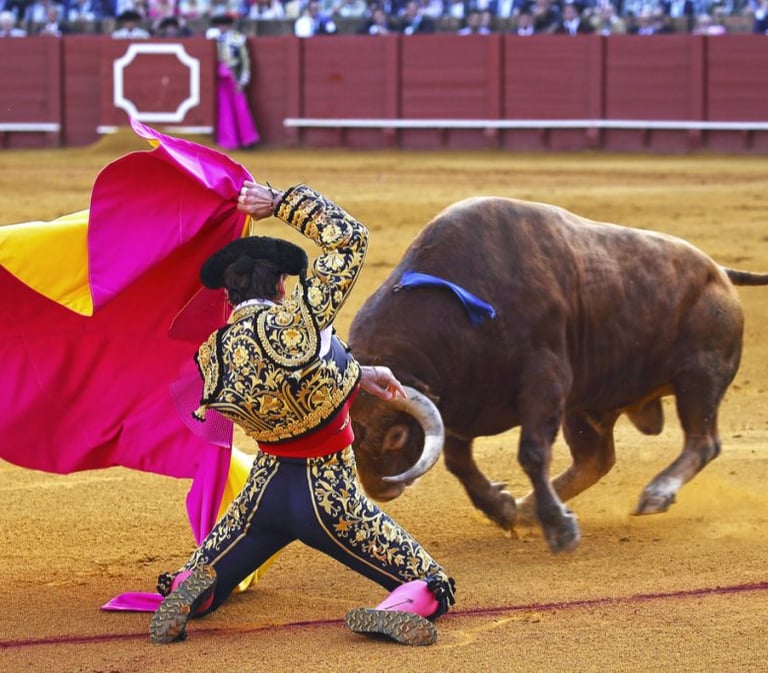
The corrida de toros (bullfighting spectacle) is a formalized public event in Spain in which a trained bullfighter confronts and ultimately kills a fighting bull within a regulated arena setting. It follows a structured sequence governed by codified rules and ceremonial procedures that have developed over several centuries.
A corrida typically takes place in a circular bullring and is divided into three distinct phases, known as tercios. The event begins with a procession introducing the participants, including the matador and his team. During the first stage, assistants use large capes to assess the bull’s behavior. In the second stage, mounted participants place lances into the bull’s shoulders. The final stage is performed by the matador, who uses a smaller cape and sword in a choreographed series of passes before delivering the final thrust.
The event is conducted under strict regulatory oversight. Official judges supervise timing, adherence to rules, and performance evaluation. The quality of the matador’s technique may be rewarded symbolically, such as through the awarding of trophies determined by audience reaction and official decision.
Historically, the corrida de toros evolved from medieval equestrian contests and later developed into a ritualized public spectacle. By the 18th century, its structure became standardized. It acquired cultural significance as a ceremonial performance combining skill, costume, music, and formalized movement.
The corrida is closely linked to traditional costume elements, including the traje de luces worn by the matador. Musical accompaniment provided by a band reinforces transitions between stages. Audience participation through applause and vocal reaction forms part of the event’s interactive character.
In contemporary Spain, the corrida de toros is subject to ongoing public debate. Supporters consider it part of historical heritage and artistic tradition, while critics raise ethical concerns regarding animal welfare. Legal status varies within the country, with some territories prohibiting or restricting events.
Despite controversy, the corrida remains one of the most internationally recognized elements of Spain’s traditional cultural practices, structured as a regulated ceremonial performance embedded within historical custom.
CREMA CATALANA
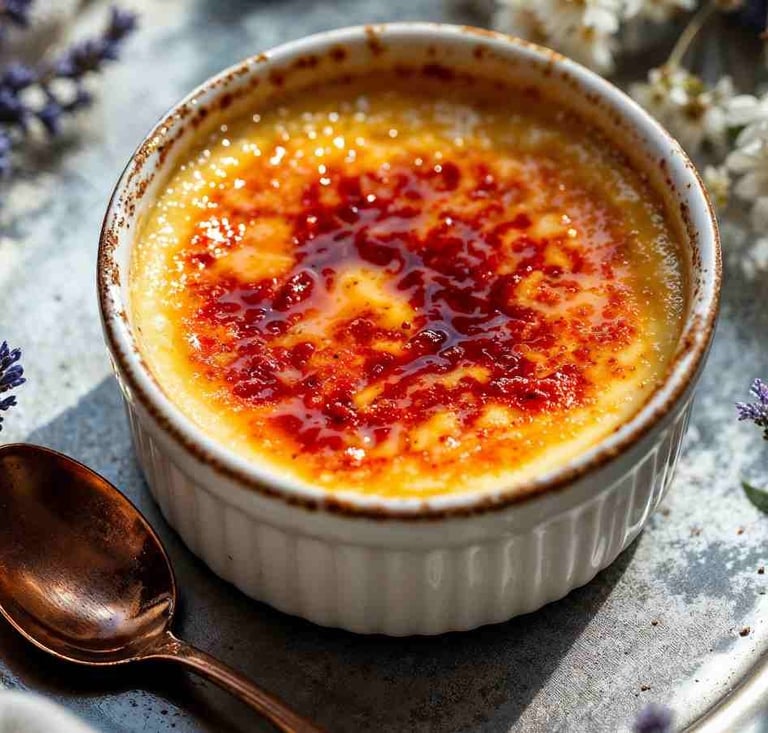
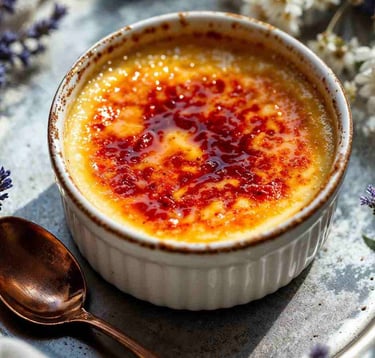
The crema catalana (Catalan custard) is a traditional Spanish dessert consisting of a rich custard base topped with a layer of caramelized sugar. It is one of the oldest recorded custard desserts in European cuisine and is commonly prepared for festive occasions, particularly around Saint Joseph’s Day in March, although it is consumed throughout the year.
The custard is made by heating milk infused with citrus peel and cinnamon, then combining it with egg yolks and sugar. A small amount of starch is added to achieve a thickened consistency. The mixture is cooked gently until it reaches a smooth, creamy texture and is then poured into shallow ceramic dishes to cool. Once set, sugar is sprinkled evenly over the surface and caramelized using a heated iron disk or modern kitchen torch.
The defining feature of crema catalana is the contrast between the crisp caramelized topping and the soft custard beneath. The sugar layer hardens as it cools, forming a thin crust that cracks when tapped with a spoon. This textural contrast is central to the dessert’s identity.
Historically, crema catalana predates similar European custard desserts and appears in early Iberian culinary manuscripts. Its ingredients reflect Mediterranean agricultural products such as dairy, eggs, citrus, and sugar. Over time, it became integrated into Spain’s broader dessert repertoire.
Preparation requires careful temperature control to avoid curdling the eggs. Unlike baked custards, crema catalana is typically cooked on the stovetop and set by cooling rather than baking. This distinguishes it from oven-based custard preparations.
ESPETO
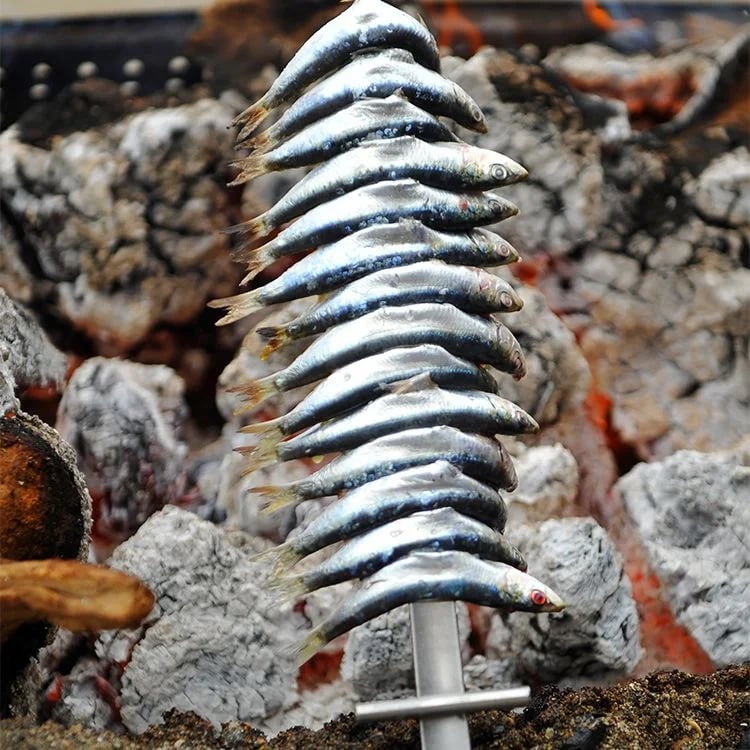
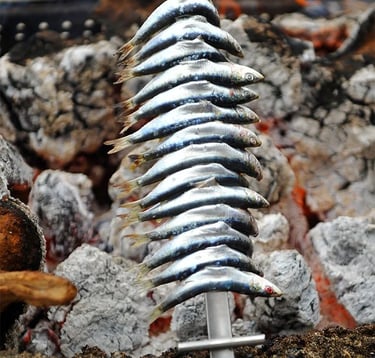
The espeto (skewered sardines) is a traditional Spanish method of grilling fish over an open fire using a metal or wooden skewer. The technique is most commonly associated with sardines, which are threaded through the body lengthwise and cooked over hot embers. The word refers both to the skewer itself and to the finished preparation.
Preparation of an espeto begins with fresh sardines that are cleaned and arranged tightly on a long skewer. The fish are positioned in a slightly curved alignment to ensure even exposure to heat. The skewer is then planted at an angle in sand or a fire-resistant base near a wood fire, traditionally fueled by olive wood. The fish are roasted slowly, allowing the skin to crisp while the interior remains moist.
The cooking method requires experience to control distance from the flames and timing. Excessive heat may burn the exterior before the interior is cooked, while insufficient heat may prevent proper charring. Skilled preparation produces lightly crisp skin and tender flesh without heavy seasoning. Salt is typically added before or after grilling.
Historically, the espeto developed as a coastal cooking technique practiced by fishermen. Grilling fish on the beach using readily available materials allowed immediate preparation of the daily catch. Over time, the method became integrated into local culinary tradition and later adopted by restaurants specializing in grilled seafood.
From a culinary standpoint, the espeto emphasizes simplicity and freshness. The technique highlights the natural flavor of the fish without complex sauces or marinades. It is generally served immediately after cooking, often accompanied by bread or simple side dishes.
FANDANGO
The fandango (traditional Spanish song and dance form) is a musical and choreographic genre that forms part of Spain’s historical folk repertoire. It developed in the Iberian Peninsula during the early modern period and became widely disseminated across different social contexts, from rural gatherings to theatrical performances. The fandango is characterized by a lively rhythm, typically in triple meter, and structured alternation between singing, instrumental accompaniment, and dance.
Musically, the fandango is built around a repeating harmonic pattern that provides a stable framework for melodic variation. The rhythm is generally marked by a distinctive accentuation that supports dance movements. Guitar accompaniment is common, and hand clapping may reinforce the rhythmic structure. The vocal component often includes improvised or semi-improvised verses performed in alternation with instrumental interludes.
Choreographically, the dance associated with the fandango involves coordinated footwork, turns, and gestures between partners. Historically, it was performed by couples facing one another, maintaining structured spatial patterns. The dance combines precise steps with expressive body movement, reflecting both technical discipline and social interaction.
The origins of the fandango are debated, though it is generally linked to the cultural exchanges that shaped Iberian music in the early modern era. By the 18th century, it had become widely known and was incorporated into classical compositions by European composers who sought to evoke Spanish musical character.
Over time, regional variations of the fandango developed, each adapting the core rhythmic and harmonic structure to local stylistic preferences. Despite these variations, the foundational pattern remained recognizable.
FLAMENCO
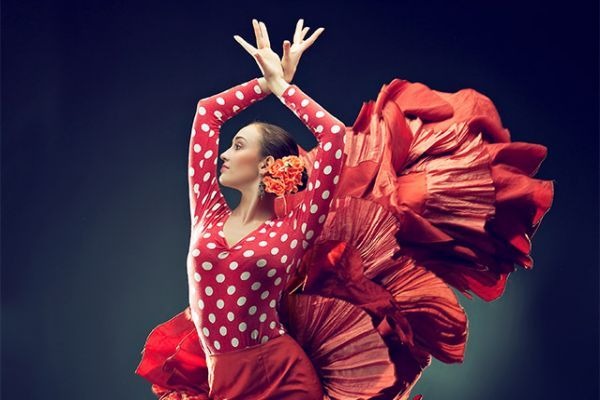
The flamenco (traditional Andalusian art form) is a structured artistic expression in Spain that integrates singing, guitar playing, dance, and rhythmic accompaniment. It developed in southern Spain between the 18th and 19th centuries, drawing on diverse cultural influences that shaped its musical language and performance style. Flamenco is recognized as a codified genre with defined rhythmic patterns and performance conventions.
The vocal component, known as cante, forms the core of flamenco performance. It is characterized by controlled ornamentation, microtonal inflections, and expressive phrasing. The guitar accompaniment, called toque, provides harmonic support and rhythmic structure. Dancers contribute zapateado, a percussive footwork technique that interacts with the rhythmic cycle known as compás.
Flamenco repertoire is divided into structured categories called palos. Each palo follows a specific rhythmic pattern and thematic orientation. Some are solemn and slow, while others are faster and more festive. The compás governs the timing of vocal lines, guitar strumming, and dance movements, ensuring coordination among performers.
Historically, flamenco emerged within marginalized communities and later entered café and theatrical circuits in the 19th century. Over time, it became institutionalized through academies, competitions, and professional performance venues. While improvisation remains an element of performance, it operates within established structural frameworks.
Costuming and staging contribute to the visual identity of flamenco. Dancers wear garments designed to accentuate movement, and performances may take place in specialized venues dedicated to the art form. Formal training is common, and professional performers undergo years of instruction.
GAZPACHO
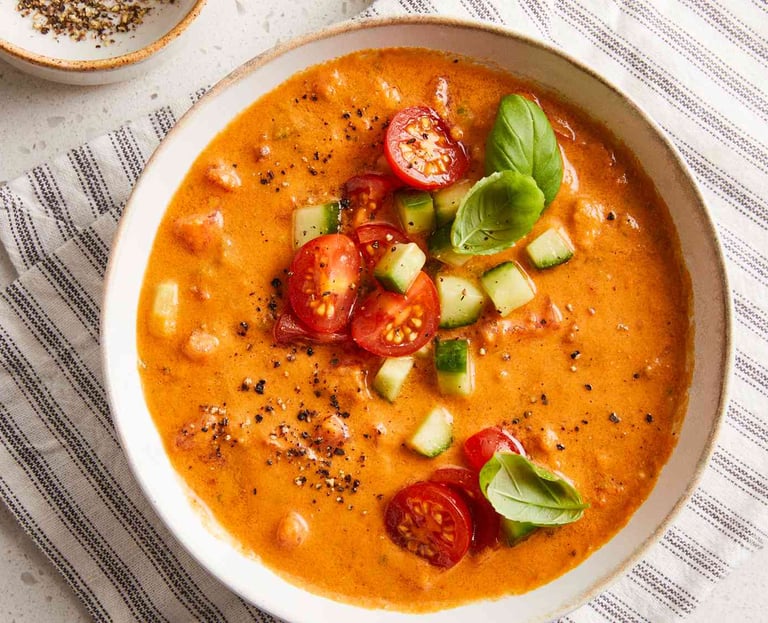
The gazpacho (cold vegetable soup) is a traditional Spanish dish prepared from raw vegetables blended into a chilled liquid consistency. It is most commonly consumed during warm weather and forms part of Spain’s established summer culinary repertoire. The base ingredients typically include tomatoes, peppers, cucumber, garlic, olive oil, vinegar, salt, and bread.
Preparation involves chopping the vegetables and blending them until smooth. Olive oil is incorporated gradually to create a stable emulsion, while vinegar provides acidity that balances the sweetness of ripe tomatoes. Bread is often added to thicken the mixture and improve texture. The soup is then refrigerated and served cold, sometimes accompanied by small diced vegetables as garnish.
Gazpacho is characterized by its bright red color and smooth consistency. Unlike cooked soups, it requires no heat during preparation, preserving the fresh taste of the raw ingredients. Its flavor profile depends heavily on the quality and ripeness of the vegetables used.
Historically, gazpacho developed as a practical dish for agricultural workers who needed a refreshing, portable meal during hot seasons. Early versions may have consisted primarily of bread, garlic, oil, and vinegar before tomatoes became widely available in Europe. Over time, the addition of tomatoes and other vegetables standardized the modern form.
Nutritionally, gazpacho provides vitamins from fresh vegetables, healthy fats from olive oil, and hydration due to its high water content. It is low in saturated fat and commonly considered consistent with Mediterranean dietary patterns.
GUARDIA CIVIL
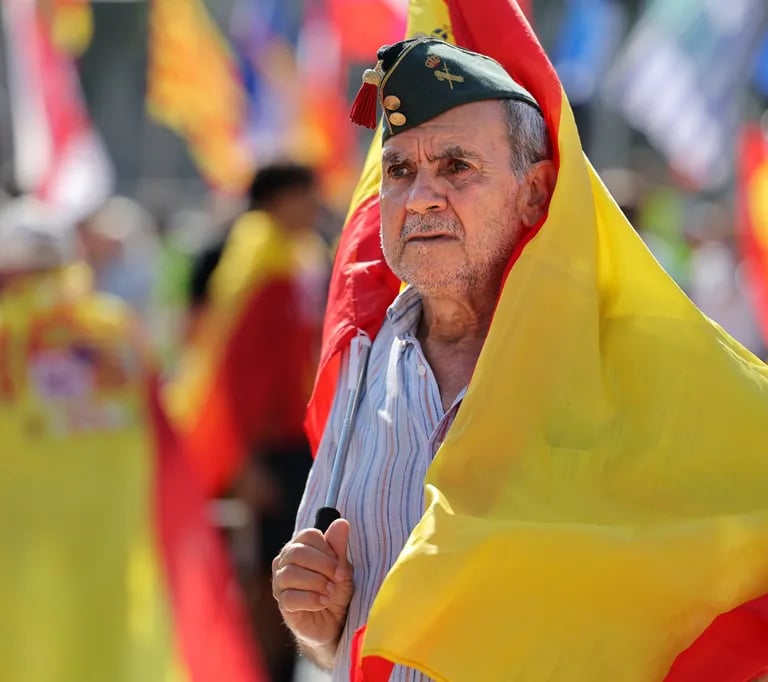
The Guardia Civil (Civil Guard) is a national law enforcement agency in Spain with both military and civilian functions. Established in 1844, it was created to provide security in rural areas and along transportation routes at a time when banditry and instability were prevalent. Today, it operates under the joint authority of the Ministry of the Interior and the Ministry of Defense.
The Guardia Civil has nationwide jurisdiction, particularly in areas outside major urban centers. Its responsibilities include maintaining public order, traffic control on interurban roads, border security, counterterrorism operations, and environmental protection. Specialized units handle maritime surveillance, mountain rescue, cybercrime, and organized crime investigations.
Structurally, the Guardia Civil is organized along military lines, with ranks, uniforms, and a hierarchical chain of command. Members undergo training that combines police procedures with military discipline. Although it functions as a civilian security force in daily operations, its institutional framework retains a paramilitary character.
Historically, the Guardia Civil played a significant role in maintaining state authority during periods of political transition. Its functions evolved alongside Spain’s modernization and democratization processes. After the 1978 Constitution, the institution continued to operate within a democratic legal framework while adapting to new security challenges.
The agency works in coordination with other law enforcement bodies, including the Policía Nacional, which primarily serves urban areas. Jurisdictional responsibilities are defined by law to avoid overlap and ensure efficient cooperation.


HORCHATA
The horchata (tiger nut drink) is a traditional Spanish beverage made from chufas, small tubers known in English as tiger nuts. It is a plant-based drink characterized by its pale color, slightly sweet taste, and smooth texture. Horchata is consumed cold and is especially popular during warm weather due to its refreshing qualities.
Preparation begins with soaking dried chufas in water to soften them. After soaking, the tubers are ground into a paste and mixed with fresh water. The mixture is then pressed or filtered to extract a milky liquid, which is sweetened with sugar. The resulting beverage is chilled before serving. The production process does not involve dairy products, making horchata naturally lactose-free.
Chufas have been cultivated in Spain for centuries and require specific soil and climate conditions to grow successfully. The agricultural cycle includes planting, harvesting, washing, and drying the tubers before processing. Strict quality controls are often applied to ensure proper cleaning and prevent fermentation during preparation.
Horchata is typically served in tall glasses and may be accompanied by pastries or elongated sweet buns designed for dipping. It is consumed in cafés and specialized establishments during summer months. Commercially bottled versions are also widely available in supermarkets, though freshly prepared horchata is often considered superior in flavor and texture.
From a nutritional perspective, horchata provides carbohydrates and small amounts of dietary fiber derived from the chufas. It contains natural oils and minerals, contributing to its slightly creamy consistency. Because it is plant-based, it differs from other beverages that share the same name in different countries but are made from rice or other ingredients.
Historically, horchata evolved from earlier Mediterranean drink traditions and became integrated into Spanish summer dietary habits. Its consumption pattern reflects adaptation to climate conditions and agricultural production cycles.
JAMÓN IBÉRICO
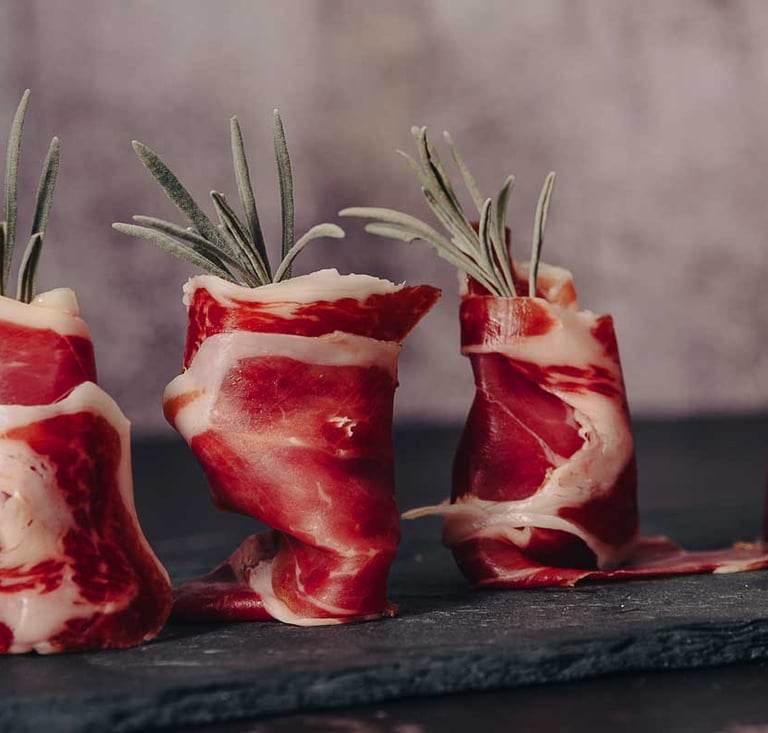
The jamón ibérico (Iberian cured ham) is a traditional Spanish cured meat product made from specific breeds of pigs native to the Iberian Peninsula. It is considered one of Spain’s most significant gastronomic products and is regulated under strict quality classifications that determine its labeling, production standards, and commercial value.
Production of jamón ibérico begins with Iberian pigs raised under controlled agricultural conditions. The breed is genetically distinct and known for its ability to infiltrate fat within muscle tissue, producing characteristic marbling. After slaughter, the hind legs are salted to preserve the meat. The salting process typically lasts one day per kilogram of weight. Following salting, the hams are washed and transferred to curing chambers.
Curing is a gradual process that can extend from two to four years, depending on classification and size. During this time, the ham undergoes controlled drying and maturation in natural or semi-natural environments. Temperature and humidity levels are monitored to ensure proper enzymatic transformation. The extended curing period allows complex flavors to develop through slow dehydration and fat oxidation.
Jamón ibérico is classified into categories based on the pigs’ diet and breeding conditions. Labels indicate whether animals were fed primarily acorns during free-range grazing or a combination of feed and pasture. These classifications affect texture, flavor intensity, and price. Regulatory councils oversee compliance with designation standards to maintain product authenticity.
The finished product is typically served thinly sliced, either by hand using a specialized long knife or by mechanical slicer. Proper slicing is essential to reveal the marbled fat and achieve balanced texture. Jamón ibérico is often consumed as part of shared platters or incorporated into other dishes.
Nutritionally, the ham contains protein and monounsaturated fats derived from the pigs’ diet. It is generally eaten in small portions due to its concentrated flavor and salt content.


EXPAND YOUR KNOWLEDGE
If you are serious about learning Spanish, we recommend that you download the Complete Spanish Master Course.
You will receive all the information available on the website in a convenient portable digital format as well as additional contents: over 15.000 Vocabulary Words and Useful Phrases, in-depth explanations and exercises for all Grammar Rules, exclusive articles with Cultural Insights that you won't find in any other textbook so you can amaze your Spanish friends and business partners thanks to your knowledge of their country and history.
With a one-time purchase you will also get hours of Podcasts to Practice your Spanish listening skills as well as Dialogues with Exercises to achieve your own Master Certificate.
Start speaking Spanish today!
For enquiries or suggestions: pr@instituto-espanol.com
Come visit Spain!
© Copyright 2026 Instituto Español
Learn the official language of Spain in 30 days thanks to the most complete Grammar, Vocabulary and Culture courses available. Start speaking Spanish today!