Eurovision’s Party Spirit Faces a Political Reckoning
Bulgaria’s historic victory in Vienna could not hide the growing argument over Israel, Gaza, boycotts, and the future of Europe’s most famous song contest
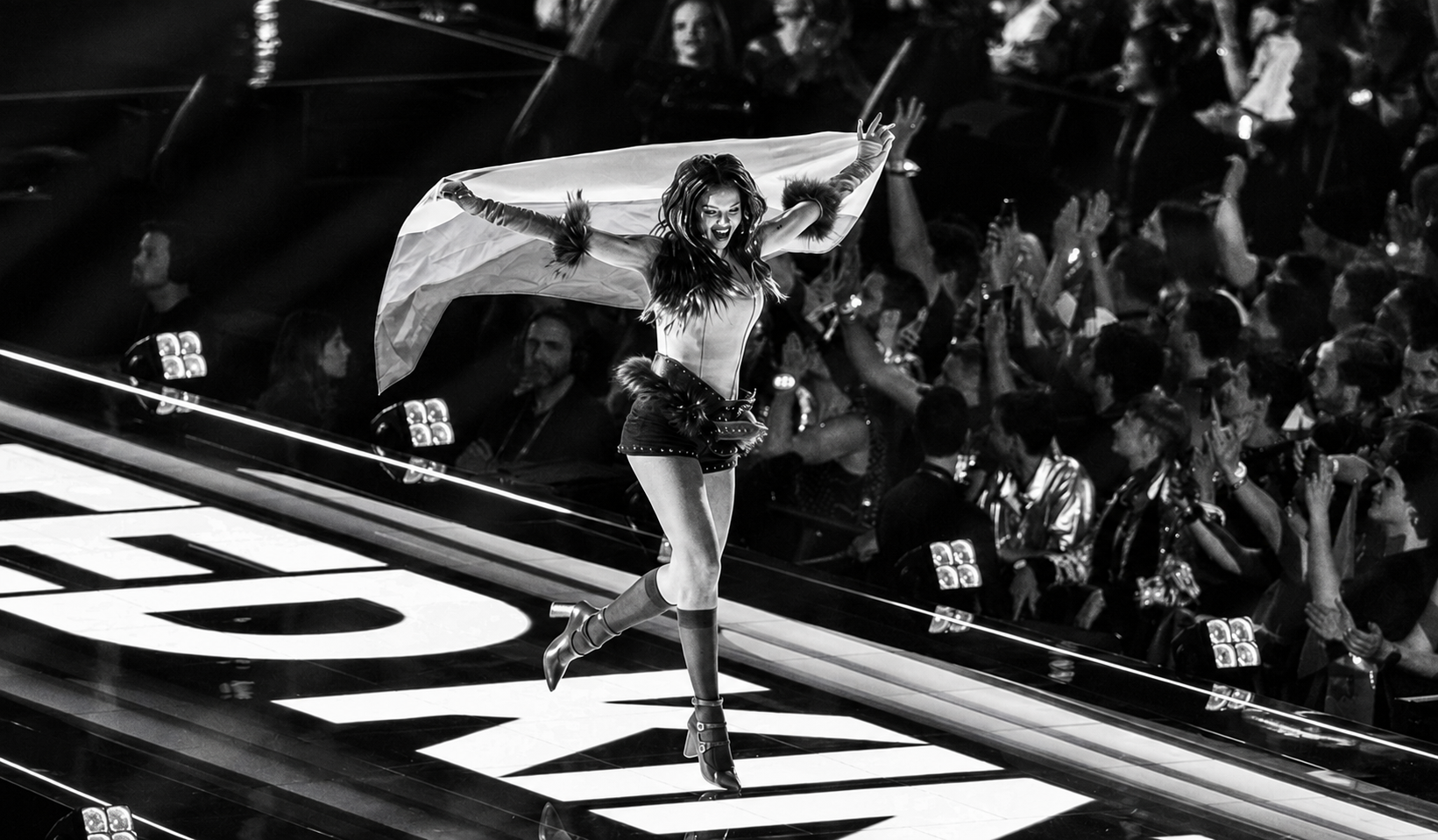
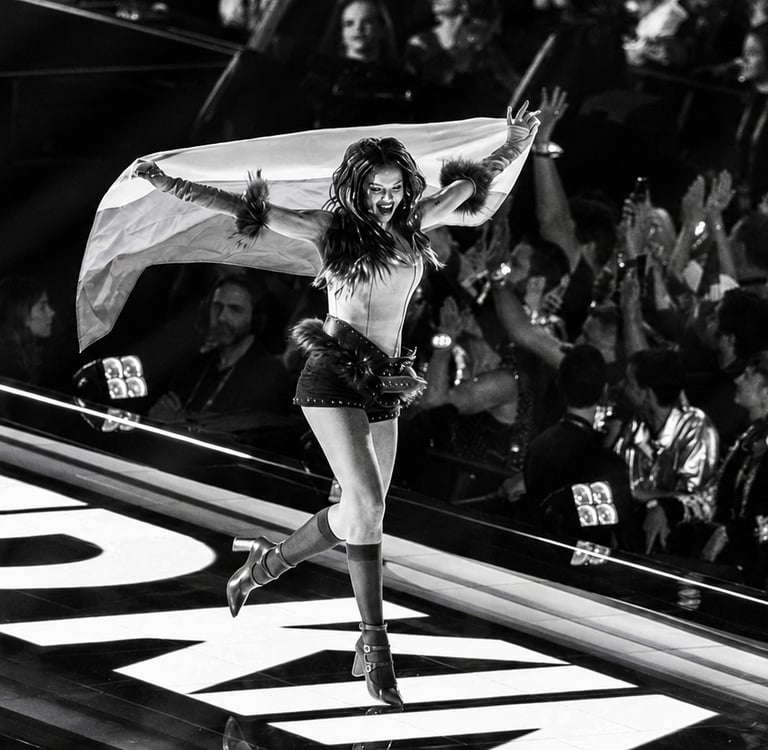
The 2026 Eurovision Song Contest had many of the familiar ingredients that have made the event famous for decades. There were pyrotechnics, rhinestones, extravagant costumes, dramatic ballads, electronic beats, ironic humour, and the kind of stage design that only Eurovision can make feel normal. Bulgaria won the contest for the first time with DARA’s energetic song “Bangaranga,” a performance that combined pop spectacle with references to Bulgarian folk ritual. The victory (victoria) was historic because Bulgaria had never won Eurovision before, and official results showed that DARA won both the jury vote and the public televote. Her total of 516 points gave the country a clear triumph and made the Vienna final a landmark moment in Bulgarian pop culture.
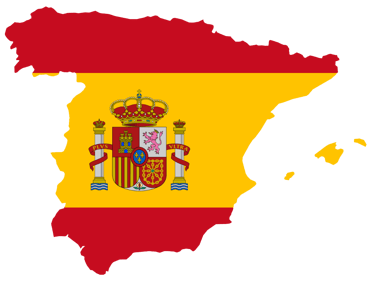
Yet the anniversary edition of Eurovision did not feel like a simple celebration. The contest marked its 70th edition in Vienna, but the atmosphere around it was tense, divided, and politically charged. Five countries, including Ireland, Iceland, Spain, Slovenia, and the Netherlands, refused to participate because Israel was allowed to compete. Their boycott (boicot) was one of the most dramatic acts of protest in modern Eurovision history. These absences mattered because Ireland and Spain are among the contest’s most recognisable participants, while Iceland and the Netherlands also have strong Eurovision followings. The empty spaces on the scoreboard became part of the story almost as much as the songs that were performed.
The controversy grew out of the war in Gaza and the debate over whether Israel should remain in Eurovision while the conflict continued. Critics argued that allowing Israel to participate created a double standard because Russia had been excluded after its invasion of Ukraine. Supporters of Israel’s participation argued that Eurovision is organised by public broadcasters rather than governments and that the contest should not automatically punish artists for state policy. The controversy (controversia) exposed a central weakness in Eurovision’s claim to be non political. Even when songs avoid direct political messages, the presence or absence of a country can become intensely political.
Eurovision has always presented itself as a celebration of shared culture across borders. Its founding idea after the Second World War was connected to international broadcasting cooperation, technological exchange, and the creation of a common European cultural moment. For millions of viewers, the contest is a joyful annual ritual built around absurdity, glamour, friendship, camp performance, and national pride without war. This unity (unidad) is one of the reasons Eurovision has survived for so long. It offers a fantasy of Europe in which rivalry is channelled into key changes, costumes, and twelve point announcements rather than open conflict.
But the contest has never been free from politics. Countries often vote for neighbours, allies, diaspora communities, or cultural partners, and viewers have long joked about predictable voting blocs. Political tensions have also affected participation in earlier years, including Armenia’s refusal to compete in Azerbaijan in 2012 and Greece’s boycott in 1975 after Turkey’s invasion of Cyprus. The politics (política) of Eurovision usually stayed partly hidden behind humour and spectacle, but it has always been present. What has changed in recent years is that the political conflict has become too large to be absorbed by glitter and ironic commentary.
The 2026 edition showed that the European Broadcasting Union faces a difficult institutional dilemma. The EBU says Eurovision is a competition between broadcasters, not states, but broadcasters are often publicly funded and closely linked to national identity. When a country is accused of serious violations of international law, many viewers do not separate the artist from the state as easily as organisers would like. The broadcaster (radiodifusora) model gives the EBU a formal explanation for Israel’s inclusion, but it does not settle the moral argument for many critics. That gap between institutional rules and public feeling is now one of Eurovision’s biggest problems.
The comparison with Russia has become especially damaging for the EBU. Russia was banned from Eurovision after the invasion of Ukraine, a decision widely supported across Europe at the time. Since then, campaigners have argued that Israel should face similar exclusion because of the scale of destruction and civilian suffering in Gaza. Amnesty International criticised the EBU’s decision not to suspend Israel from the 2026 contest, describing it as a double standard. The double standard (doble rasero) accusation has become powerful because it asks whether Eurovision’s rules are applied consistently or shaped by political convenience.
The tensions were also visible in the streets of Vienna. Protesters gathered outside the contest carrying signs against Israel’s participation and accusing Eurovision of giving a platform to a state involved in severe violence in Gaza. Similar demonstrations had already taken place during the 2024 and 2025 contests, but the 2026 boycott made the dispute more formal and harder to ignore. The protests (protestas) showed that Eurovision’s audience is no longer united around the idea that politics should stay outside the arena. For many activists, the stage itself has become part of the political battlefield.
Voting controversies have added to the bitterness. In 2025, Israel’s result caused suspicion among some broadcasters and viewers when its public vote was much stronger than its jury result. Reports said critics questioned whether online campaigns linked to pro Israel messaging had encouraged supporters to use the maximum number of public votes. The EBU found no foul play, but the episode left distrust among people who already believed the contest had been compromised. The voting (votación) system is crucial because Eurovision depends on viewers believing that the final result reflects enthusiasm for songs rather than organised political mobilisation.
In 2026, Israel finished second with Noam Bettan’s song “Michelle,” while Bulgaria won decisively. Israel’s strong placing meant that the issue did not disappear once the competition began. For boycotting countries and protesters, the result reinforced the feeling that Israel was receiving a prestigious cultural platform despite the war. The platform (plataforma) question is central because Eurovision is not only a music event but also a global broadcast watched by tens of millions of people. A country that performs well gains visibility, soft power, and emotional connection with audiences far beyond Europe.
This is why the concept of cultural diplomacy matters so much. Eurovision performances can shape how countries are seen, especially when the music, staging, and artist story feel warm, emotional, or apolitical. Critics of Israel’s inclusion argue that this kind of visibility can soften international criticism and help normalise a government during a period of war. The soft power (poder blando) of Eurovision lies precisely in its ability to make national representation feel charming rather than official. That is why a three minute song can become a geopolitical argument.
The United Kingdom’s relationship with Eurovision also shows how public mood is changing. The UK continued to compete and broadcast the contest, but viewing figures reportedly fell to their lowest level since 2010. It is difficult to prove exactly why audiences turned away, because ratings can fall for many reasons, including weak national entries, streaming habits, and changing entertainment patterns. Still, the audience (audiencia) decline happened during a period when many viewers felt uncomfortable with the contest’s handling of Israel and Gaza. The absence of Eurovision watch parties among people who once treated the event as an annual ritual suggests that something cultural has shifted.
Bulgaria’s win could have been the simple feel good story of the year. DARA’s “Bangaranga” brought the country back to Eurovision glory after a period of absence from the contest. Official Eurovision reporting described the victory as a monumental moment, with Bulgaria winning both jury and public votes and securing its first ever title. The song (canción) itself was widely described as energetic, catchy, and rooted in Bulgarian ritual imagery, especially the kukeri tradition associated with driving away evil spirits.
However, the political crisis around Eurovision made even that victory feel complicated. Bulgaria deserved its celebration, and DARA’s performance clearly connected with voters and juries. But the broader narrative of the 2026 contest was not only about a new winner; it was about whether Eurovision can still function as a common European celebration. The celebration (celebración) was therefore mixed with unease. The contest delivered spectacle, but it also exposed fractures that are likely to return in 2027.
The future of Eurovision now depends on whether the EBU can restore trust among broadcasters, artists, activists, and audiences. If Israel continues to participate while the war and humanitarian crisis in Gaza remain central to public debate, more countries may face pressure to withdraw. If the EBU excludes Israel, it will face accusations that it is politicising a contest that claims to be about music. The future (futuro) of the contest is therefore caught between two impossible demands. It must remain inclusive enough to be international, but credible enough to convince viewers that its values mean something.
Eurovision has survived scandals, wars, cold diplomatic moments, voting disputes, and years of terrible songs. Its strength has always been its ability to turn difference into theatre and rivalry into entertainment. But the 2026 edition showed that some political conflicts cannot be transformed into harmless camp. The central challenge (desafío) is whether Eurovision can still offer unity without pretending that unity exists where it does not. The show will almost certainly continue, but the question is whether viewers will still believe in its promise of shared joy.
Key Spanish Vocabulary
victoria victory
boicot boycott
controversia controversy
unidad unity
política politics
radiodifusora broadcaster
doble rasero double standard
protestas protests
votación voting
plataforma platform
poder blando soft power
audiencia audience
canción song
celebración celebration
futuro future
desafío challenge
For enquiries or suggestions: pr@instituto-espanol.com
Come visit Spain!
© Copyright 2026 Instituto Español
Learn the official language of Spain in 30 days thanks to the most complete Grammar, Vocabulary and Culture courses available. Start speaking Spanish today!