Mango Founder’s Death Becomes a High Profile Spanish Mystery
The arrest of Jonathan Andic has transformed what first appeared to be a tragic mountain accident into a closely watched investigation involving family, wealth, and one of Spain’s best known fashion brands
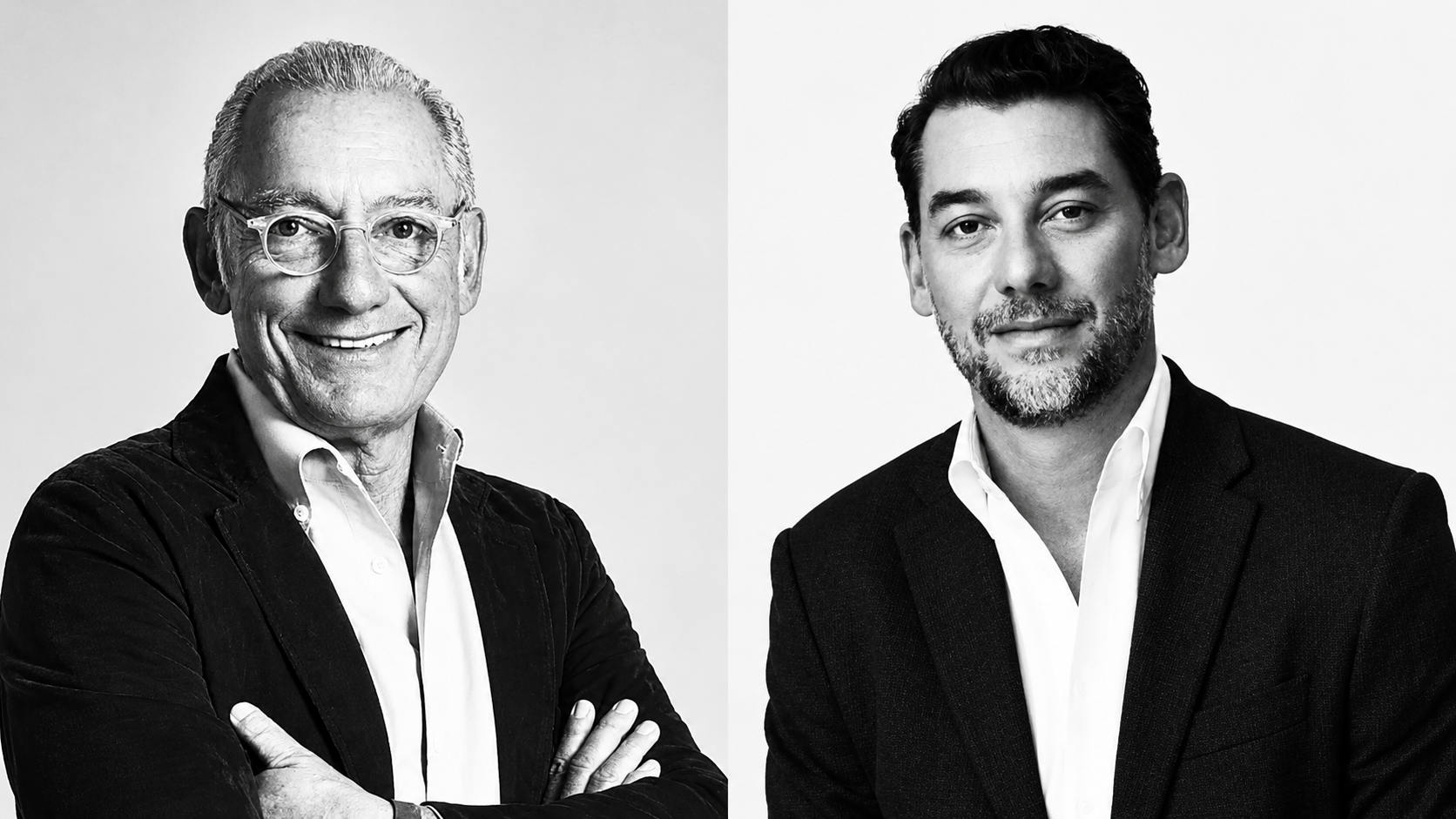
The death of Isak Andic, founder of the Spanish fashion group Mango, has become one of the most dramatic and closely followed stories in Spain. What was first described as a tragic hiking accident in December 2024 has now become a criminal investigation involving his eldest son, Jonathan Andic. Isak died after falling from a cliff in the Montserrat natural park north of Barcelona, where he and Jonathan had gone hiking together. The mystery (misterio) surrounding the case has deepened because investigators now suspect that the fall may not have been accidental.
Jonathan Andic, who is 45, has strongly denied any involvement in his father’s death. After being arrested in May 2026, he posted bail of €1 million and was released while the investigation continues. His lawyers argue that the homicide theory does not stand up and that Jonathan is an innocent man being unfairly stigmatised. The bail (fianza) payment marked the latest public turning point in a case that has captured attention not only because of the family’s wealth, but because Mango is one of Spain’s best known international brands.
Isak Andic died on 14 December 2024 after falling around 150 metres during a hike near Collbató, an area in the Montserrat mountain range. Jonathan was with him at the time and was the person who called emergency services after the fall. He told police that he had been walking ahead of his father when he heard rocks sliding and turned to see that Isak had fallen. The cliff (acantilado) where the accident occurred became the centre of the investigation once police began to question whether the physical evidence matched Jonathan’s account.
At first, the authorities treated the death as a terrible accident involving one of Spain’s richest businessmen. Montserrat is a famous natural and religious landscape, visited by hikers, families, pilgrims, and tourists from around the world. Although the mountains contain steep areas and dramatic drops, the route connected to the case has been described as picturesque and relatively undemanding. This route (ruta) became important because investigators later argued that the kind of slip described by Jonathan seemed unlikely in the specific place where Isak fell. That assessment helped push the case away from the original accident theory.
The investigation was reopened after police identified what they considered inconsistencies in Jonathan’s statements. In one version of events, he said that he was walking ahead of his father when the fall happened. In another, investigators believed the two men appeared to have been closer together. The testimony (testimonio) also included a claim that Isak had been taking photos with his phone shortly before the fall, although the phone was reportedly found in his pocket when his body was recovered. These details became important because, in a case with no direct eyewitness other than Jonathan, small inconsistencies can take on major legal significance.
Forensic questions have also become central to the case. Investigators reportedly believe that the position of Isak’s body and the injuries he suffered were not consistent with a simple accidental fall. According to reporting on the investigation, the forensic analysis suggested that the body appeared to have moved as if he had gone down feet first. The injuries (lesiones) are therefore being examined not only as medical facts, but as possible evidence about how the fall began. Jonathan’s defence, however, maintains that the case has been interpreted unfairly and that the evidence does not prove homicide.
Another point of suspicion for investigators was Jonathan’s alleged visits to the site before the fatal hike. Reports say that he visited the area on 7, 8, and 10 December, just days before his father’s death. The investigating judge reportedly viewed these visits as potential signs of planning and study of the place. The site (lugar) therefore became more than a scenic hiking location; it became a possible element in the prosecution theory. Jonathan’s side rejects any criminal interpretation and continues to insist that he did not harm his father.
The disappearance of Jonathan’s own phone has added another complication. Investigators noted that the device disappeared around the time when media reports said the case had been reopened. Jonathan told police that the phone had been stolen during a short trip to Ecuador. The missing phone (teléfono) matters because mobile devices can contain location data, messages, photographs, calls, and other information that may help establish a timeline. In modern investigations, a lost or unavailable phone often becomes a major point of dispute between prosecutors and defence lawyers.
The possible motive being examined by investigators involves the relationship between Isak and Jonathan, especially in the context of the Mango business and the family’s wealth. According to reports, investigators are looking at tensions connected to Isak’s plans to create a charitable foundation and at messages exchanged between father and son. The magistrate reportedly suggested that Jonathan had exercised emotional pressure on his father in pursuit of economic objectives. The alleged motive (motivo) remains only part of the investigation, and Jonathan has told authorities that his relationship with his father was good.
The Andic family has publicly supported Jonathan. After the investigation developed, family representatives and executors of Isak’s will defended his innocence and described the public debate as an additional source of suffering during private grief. Following the arrest, the family said that legitimate evidence against Jonathan did not exist and would not exist. This support (apoyo) from relatives is important because investigators reportedly questioned his sisters and uncle as part of the broader inquiry. The family’s position contrasts sharply with the suspicions raised by the investigating judge.
The case has drawn so much attention because Isak Andic was not just a wealthy businessman, but a central figure in Spanish retail history. Born in Istanbul to a family of Jewish heritage, he moved to Catalonia as a teenager and later co founded Mango in the 1980s. The brand grew from a Spanish fashion company into a global retailer with thousands of points of sale and a presence in many countries. His legacy (legado) is closely tied to Barcelona’s rise as a fashion and design centre, as well as to Spain’s broader international business image.
Mango has continued to operate during the legal uncertainty surrounding the family. The company recorded strong results after Isak’s death, with Spanish business reporting noting rising profits and sales close to €3.8 billion in 2025. Jonathan had been involved in Mango for many years, especially in the development of the men’s clothing line, and later held senior responsibilities connected to the family holding structure. The company (empresa) is now watched not only as a retail success story, but also as a business affected by a deeply personal family crisis. Even so, Mango’s board has expressed confidence that the legal process will be resolved favourably.
The inheritance structure has also become part of public interest. Jonathan and his two sisters reportedly share control of a holding company that owns most of Mango, while the company’s chief executive, Toni Ruiz, holds a smaller stake. This arrangement means the legal case is connected in the public imagination to questions of wealth, succession, governance, and family influence. The inheritance (herencia) issue does not prove anything about the death, but it helps explain why the case has fascinated Spain. Whenever a billionaire founder dies unexpectedly and a family member becomes a suspect, business and legal narratives quickly overlap.
The location of the death also gives the story a powerful symbolic dimension. Montserrat is one of Catalonia’s most recognisable landscapes, known for its jagged rock formations, monastery, religious importance, and panoramic hiking routes. For many Catalans, it is a place associated with nature, identity, spirituality, and weekend family excursions. The mountain (montaña) setting makes the story even more striking because a place usually linked to beauty and contemplation has become the scene of a homicide investigation. That contrast has contributed to the intense media attention.
At the same time, it is essential to remember that Jonathan Andic has not been convicted of any crime. The investigation is ongoing, and the defence continues to argue that the evidence is insufficient and that the homicide theory is painful and wrong. In democratic legal systems, suspicion, arrest, bail, and investigation do not equal guilt. The presumption (presunción) of innocence remains central, especially in a case where the public narrative is emotional, wealthy, and highly visible. The courts, not the media, will ultimately determine whether the evidence supports any criminal charge or conviction.
The death of Isak Andic has therefore become a story with several layers. It is a family tragedy, a criminal mystery, a business succession drama, and a public test of how Spain handles a high profile investigation involving wealth and fame. The facts that are known include the fatal fall, the reopening of the case, Jonathan’s arrest, his bail, and his firm denial of wrongdoing. The unanswered questions (preguntas) concern what exactly happened on the mountain, whether the fall was accidental, and whether the evidence can support the suspicions raised by investigators. Until the courts reach a conclusion, the case will remain one of Spain’s most unsettling modern mysteries.
Key Spanish Vocabulary
misterio mystery
fianza bail
acantilado cliff
ruta route
testimonio testimony
lesiones injuries
lugar site
teléfono phone
motivo motive
apoyo support
legado legacy
empresa company
herencia inheritance
montaña mountain
presunción presumption
preguntas questions
For enquiries or suggestions: pr@instituto-espanol.com
Come visit Spain!
© Copyright 2026 Instituto Español
Learn the official language of Spain in 30 days thanks to the most complete Grammar, Vocabulary and Culture courses available. Start speaking Spanish today!