Pedro Sánchez Faces New Political Pressure as Wife Is Charged
The formal charges against Begoña Gómez have deepened Spain’s debate over corruption, judicial independence, and political warfare
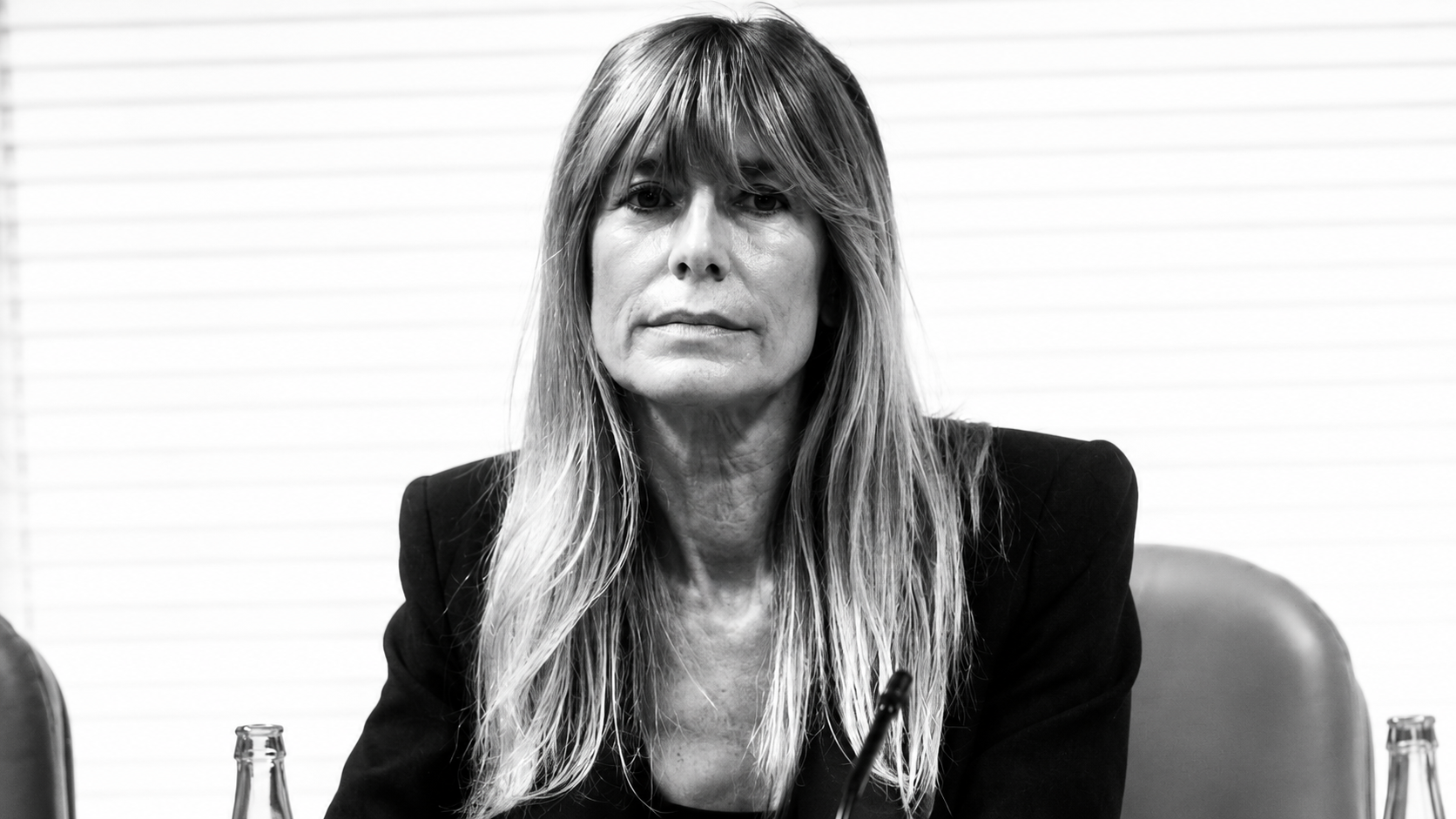

Spain’s prime minister, Pedro Sánchez, is facing one of the most difficult moments of his political career after his wife, Begoña Gómez, was formally charged in a corruption investigation. Gómez has been accused of embezzlement, influence peddling, corruption in business dealings, and misappropriation of funds after a long inquiry led by a Madrid judge. The case has become a national scandal (escándalo) because it involves not only the prime minister’s family, but also wider questions about power, universities, public resources, and Spain’s increasingly polarised politics. Gómez, her personal assistant Cristina Álvarez, and businessman Juan Carlos Barrabés have all denied wrongdoing.
The investigation focuses on whether Gómez used her position as the prime minister’s wife to obtain or manage a role connected to Madrid’s Complutense University. Judge Juan Carlos Peinado argued that there were indications that public decisions favourable to a university chair linked to Gómez may have been influenced by her personal connections. Sánchez and his supporters have rejected that interpretation and described the case as politically motivated. The allegations (acusaciones) remain unproven, and any trial would have to determine whether the evidence supports criminal responsibility. For now, the charges have intensified a political battle that began when the investigation first became public in 2024.
The original complaint was filed by Manos Limpias, or Clean Hands, a self described trade union with far right links. The group has a long history of using the courts to pursue public figures it accuses of damaging Spain’s democratic interests. Critics of the case say this origin matters because it suggests the investigation may be connected to Spain’s broader culture of legal and political confrontation. The complaint (denuncia) from Manos Limpias does not automatically make the case illegitimate, but it has shaped public perceptions from the beginning. Supporters of Sánchez argue that the courts are being used to weaken an elected government through what they call lawfare.
Gómez’s defenders have repeatedly said that she did nothing wrong and that the accusations distort ordinary professional activity. They argue that her work at the Complutense University was public, known, and connected to academic and business collaboration rather than hidden private enrichment. Prosecutors have also asked for the investigation to be closed, according to Reuters, saying that the accusations did not justify continuing the case. The prosecutors (fiscales) are therefore not aligned with the investigating judge in the way the case should proceed. This disagreement has added another layer of controversy to the judicial process.
Judge Peinado’s ruling used unusually strong language about the alleged behaviour inside the Moncloa palace, the prime minister’s office and official residence. He suggested that some conduct seemed more typical of absolutist regimes than of a modern democratic state. Such language immediately gave the case a dramatic political tone. The judge (juez) is close to mandatory retirement, and his handling of the case has been fiercely debated by Sánchez’s supporters and critics. For opponents of the government, the ruling shows that serious questions must be answered; for government allies, it shows that parts of the judiciary are acting politically.
Sánchez has responded by defending his wife and insisting that justice should be allowed to work. During a visit to China, he said he was confident that time would put everything and everyone in their place. He has also argued more broadly that some judges are doing politics while some politicians try to do justice, a statement that angered parts of the legal establishment. The justice (justicia) debate is now central to the case because it is no longer only about Gómez’s conduct. It has become a fight over whether Spain’s institutions are protecting accountability or being pulled into partisan warfare.
The timing of the charges is especially damaging for Sánchez because several other cases are also surrounding his political circle. His younger brother, David Sánchez, is due to face trial on influence peddling allegations related to a public job in Badajoz. He denies the charges, which also began after a complaint from Manos Limpias. The brother (hermano) case adds to the sense of pressure around the prime minister’s family. Even if each case is legally separate, the political effect is cumulative because opponents can present them as evidence of a wider pattern.
Sánchez is also dealing with corruption allegations involving former senior figures in his government and party. Former transport minister José Luis Ábalos, his former aide Koldo García, and businessman Víctor de Aldama have been linked to alleged kickbacks connected to public contracts for sanitary equipment during the Covid pandemic. Ábalos and García deny wrongdoing, while Aldama has admitted his role in the alleged scheme. The kickbacks (sobornos) case is particularly damaging because it touches the pandemic period, when emergency public contracts were awarded under intense pressure. For many voters, allegations involving health supplies are politically toxic.
The prime minister’s opponents argue that Sánchez came to power promising to clean up Spanish politics and is now surrounded by the same kind of ethical questions he once denounced. In 2018, Sánchez became prime minister after a no confidence vote against Mariano Rajoy’s conservative government, which had been weakened by corruption scandals. This history makes the current situation especially painful for the Socialist leader. The opposition (oposición) says he has lost moral authority and should call early elections. Sánchez’s government, however, has ruled out that option and insists it will continue governing.
Spain’s political system has become increasingly polarised in recent years, with fierce battles between the left, the right, regional parties, and the far right. The Gómez case has become part of this wider conflict, with each side interpreting the same facts through completely different political lenses. For the right, it is a legitimate corruption investigation involving the prime minister’s household. For the left, it is an example of polarisation (polarización) and judicial harassment designed to weaken a progressive government. This split makes it difficult for the public to separate legal questions from partisan identity.
The case also raises the issue of how much scrutiny should apply to the spouse of a prime minister. On one hand, public officials’ relatives should not receive special treatment or use proximity to power for private benefit. On the other hand, spouses do not automatically become public officials simply because they are married to political leaders. The influence (influencia) question is therefore legally and ethically complicated. Investigators must determine whether Gómez actively used her relationship with Sánchez to obtain advantages, not merely whether she was married to a powerful person while pursuing professional work.
Complutense University’s role has made the case particularly sensitive. Universities often collaborate with companies, public institutions, and foundations, and those relationships can involve sponsorships, chairs, research projects, and professional programmes. These arrangements are not automatically improper, but they require transparency and clear rules to avoid conflicts of interest. The university (universidad) setting matters because public universities depend on trust, academic independence, and fair access to opportunities. If a politically connected person receives privileged treatment, even the appearance of favouritism can be damaging.
For Sánchez personally, the investigation has reopened the emotional and political crisis he experienced in 2024. When the case first became public, he briefly suspended public duties and wrote a letter saying he needed to reflect on whether to continue as prime minister. He ultimately decided to remain in office, arguing that he would resist what he described as a campaign of harassment against his family. The pressure (presión) on him has not disappeared since then. Instead, the formal charges against Gómez have made the controversy more serious and harder to dismiss as a passing political attack.
The legal process is now expected to determine whether Gómez will face a jury trial. Judge Peinado has given parties in the case time to respond to his decision, after which the courts must decide the next procedural step. If the case goes to trial, prosecutors, defence lawyers, and private accusers will fight over the meaning of documents, emails, university decisions, public resources, and personal contacts. The trial (juicio) would likely become one of Spain’s most closely watched political legal events. It could also dominate the public agenda at a time when the government is already managing budget, regional, housing, and foreign policy pressures.
The charges against Begoña Gómez do not prove guilt, and all accused people remain entitled to the presumption of innocence. At the same time, the case cannot be dismissed as politically irrelevant because it involves the prime minister’s family, a public university, and allegations of misuse of influence. Spain is now facing a test of whether its legal system can handle a politically explosive case with fairness and restraint. The central question (pregunta) is whether the process will clarify facts or deepen the country’s institutional distrust. Until the courts reach a final conclusion, the Gómez case will remain both a legal matter and a symbol of Spain’s increasingly bitter political climate.
Key Spanish Vocabulary
escándalo scandal
acusaciones allegations
denuncia complaint
fiscales prosecutors
juez judge
justicia justice
hermano brother
sobornos kickbacks
oposición opposition
polarización polarisation
influencia influence
universidad university
presión pressure
juicio trial
pregunta question
For enquiries or suggestions: pr@instituto-espanol.com
Come visit Spain!
© Copyright 2026 Instituto Español
Learn the official language of Spain in 30 days thanks to the most complete Grammar, Vocabulary and Culture courses available. Start speaking Spanish today!