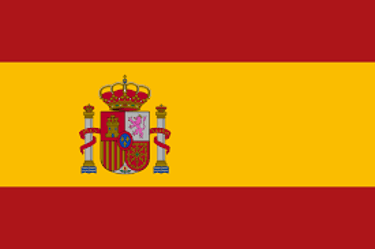
Spain Becomes Europe’s Leading Country for LGBTQIA+ Rights
The 2026 Rainbow Map shows Spain moving ahead of Malta while Europe faces both legal progress and growing political tension
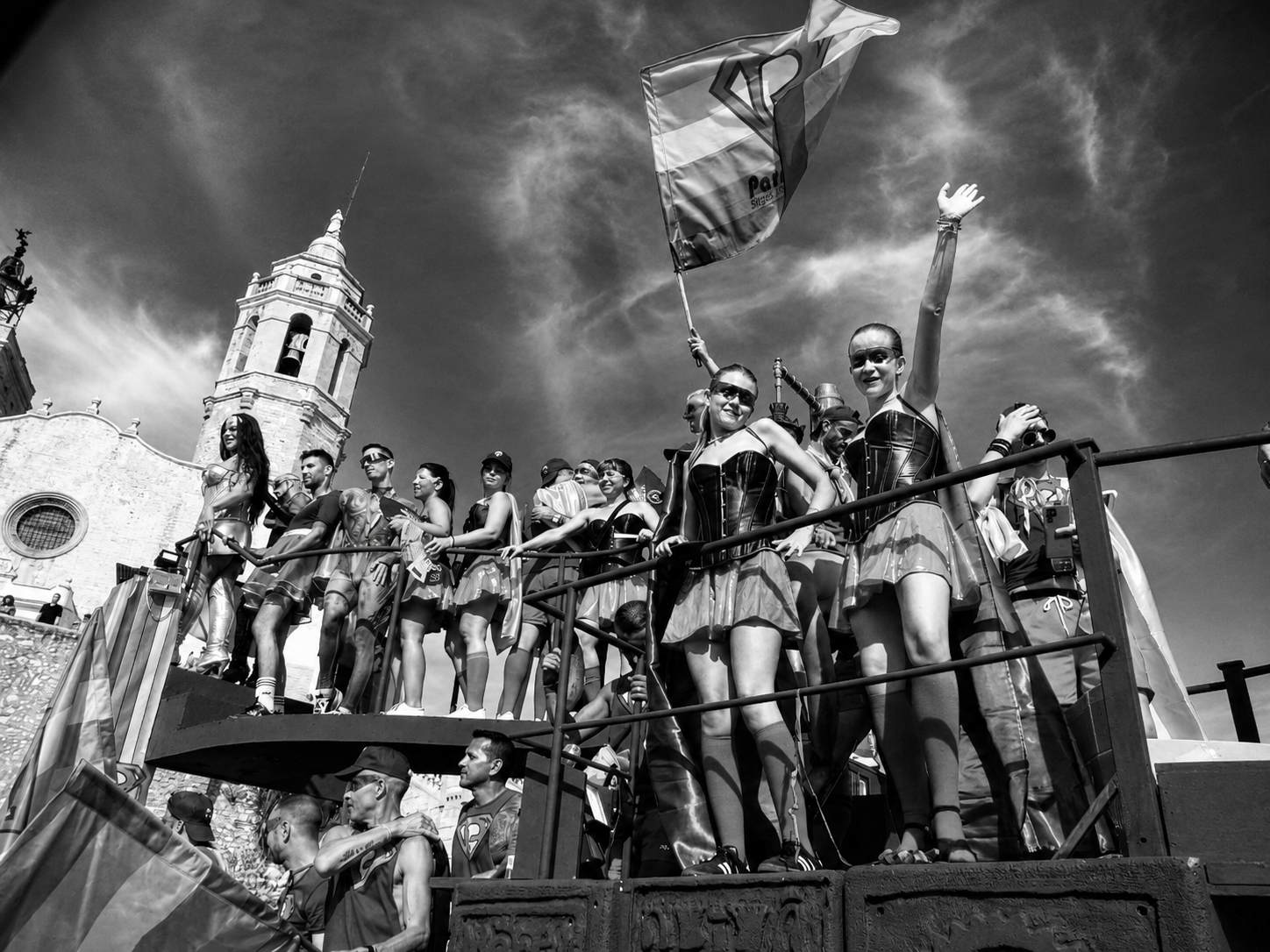

Spain has been ranked as Europe’s best country for LGBTQIA+ rights in the 2026 Rainbow Map published by ILGA Europe. The country reached first place after overtaking Malta, which had held the top position for ten consecutive years, making Spain’s ranking (clasificación) a major symbolic and political moment. The result places Spain at the centre of the European debate over equality, legal protection, and the future of LGBTQIA+ communities. It also shows how sustained reforms can change a country’s position in international assessments when laws are implemented and institutions are strengthened.
The Rainbow Map evaluates 49 European countries according to laws and policies that affect LGBTQIA+ people. Its categories include equality and non discrimination, family recognition, hate crime protections, legal gender recognition, bodily integrity, civil society space, and asylum rights. Spain’s high score (puntuación) of 88.7 percent placed it just ahead of Malta, which scored 88 percent, and Iceland, which scored 86 percent. At the opposite end of the index were Russia, Azerbaijan, and Türkiye, countries where LGBTQIA+ communities continue to face severe legal and political pressure.
ILGA Europe is one of the most important advocacy organisations working on LGBTQIA+ rights across Europe and Central Asia. It represents lesbian, gay, bisexual, trans, and intersex groups while monitoring legal developments, discrimination, civil society restrictions, and access to protection. The organisation publishes the Rainbow Map each year to show how governments are performing on formal rights and policy commitments. Its criteria (criterios) make it possible to compare countries according to measurable legal and institutional standards rather than vague impressions of tolerance.
Spain’s rise to first place was linked to the implementation of reforms introduced through its 2023 LGBTQI and trans legislation. These reforms included equality action plans, institutional measures to strengthen equal treatment, and changes designed to depathologise trans healthcare. The country’s progress did not come only from passing laws, but from beginning to apply them through practical state action. This legislation (legislación) helped Spain move from an already strong position to the top of the European ranking.
One of the most important elements behind Spain’s result is the country’s approach to legal gender recognition. In recent years, Spain has moved toward a model that reduces medical barriers and treats gender recognition as a matter of dignity and personal rights. This approach reflects a wider European discussion about whether trans people should be forced to prove a medical diagnosis before the state recognises their identity. Spain’s recognition (reconocimiento) of trans rights has therefore become one of the reasons it is seen as a leader in the field.
Family rights also play an important role in the Rainbow Map. Countries are assessed on whether LGBTQIA+ people have access to marriage, adoption, assisted reproduction, parental recognition, and protections for different family forms. Spain has long been one of Europe’s more advanced countries in this area, especially since same sex marriage became legal in 2005. Its families (familias) framework helps explain why the country scores strongly not only on individual rights but also on rights connected to parenting, partnership, and everyday family life.
The 2026 results also show that legal progress can coexist with social challenges. ILGA Europe warned that the Rainbow Map measures laws and policies, not the full lived experience of LGBTQIA+ people in each country. This distinction is important because a country can have strong legal protections while still facing harassment, hate speech, discrimination, or violence in daily life. Spain’s protections (protecciones) may be among the strongest in Europe, but the existence of good laws does not mean that prejudice has disappeared.
The article also notes that assaults against LGBTQIA+ people in Spain reportedly increased by 15 percent since 2024, according to data cited from Spain’s national LGBTQI federation. This figure complicates the celebration of Spain’s first place because it shows that legal leadership does not automatically produce safety in streets, schools, workplaces, or online spaces. The gap between formal rights and lived experience is one of the central challenges for governments that want equality to be real and not only written into law. The rise in violence (violencia) shows why activists continue to demand enforcement, education, and public support even in countries with advanced legal systems.
Katrin Hugendubel, Deputy Director of ILGA Europe, described the Rainbow Map as telling two stories at the same time. One story is about courage, legal progress, and leaders who stand with LGBTQIA+ communities instead of scapegoating them. The other is about growing danger, backlash, and political forces that use minority rights as a cultural weapon. Her warning about danger (peligro) reflects a wider European pattern in which some countries advance equality while others restrict civil society, limit expression, or attack trans rights.
The United Kingdom’s decline in the 2026 ranking illustrates that rights can move backward as well as forward. The UK fell from 17th to 22nd place with a score of 46 percent, a drop ILGA Europe connected to increasingly hostile rhetoric around trans rights and concerns about legal recognition and healthcare access. This decline is especially notable because the UK was once often seen as a relatively strong performer in LGBTQIA+ rights. Its decline (descenso) shows that reputation alone does not protect a country if laws, policies, and political language begin to deteriorate.
Across Europe, the broader picture is mixed. Some countries continue to improve their legal frameworks, strengthen hate crime legislation, and recognise LGBTQIA+ families more fully. Others are introducing or defending restrictions on speech, education, civil society, and public visibility. The polarisation (polarización) around LGBTQIA+ rights has become one of the clearest signs of a wider democratic struggle in Europe. In this environment, Spain’s rise is important not only because it tops a ranking, but because it offers a counterexample to countries moving toward exclusion.
Belarus was mentioned in the report as one example of this negative trend, after passing a law banning so called LGBT propaganda. Such measures are often presented by governments as protecting tradition, children, or national values, but rights organisations argue that they silence communities and increase stigma. Restrictions of this kind can make it harder for people to organise, access information, report abuse, or live openly. The spread of restrictions (restricciones) in some countries shows why legal monitoring remains essential.
The Rainbow Map is based on 76 criteria across seven categories and is verified by more than 250 activists, legal professionals, and policy specialists across Europe and Central Asia. This broad verification process gives the ranking credibility because it combines legal analysis with the knowledge of people working directly in the field. However, ILGA Europe also stresses that the map should not be read as a complete portrait of daily life. Its methodology (metodología) is designed to measure legal and policy structures, while personal safety, social acceptance, and access to services require additional forms of research.
Spain’s first place therefore represents both achievement and responsibility. The country has shown that strong laws, political will, and institutional follow through can improve legal protection for LGBTQIA+ people. At the same time, the increase in reported attacks reminds the public that equality must be defended beyond parliaments and courtrooms. Spain’s leadership (liderazgo) will now be judged not only by its position on the Rainbow Map, but by whether LGBTQIA+ people feel safer, freer, and more respected in everyday life.
The 2026 Rainbow Map ultimately presents Spain as a European model, but not as a finished success story. Its rise above Malta marks a historic change in the continent’s LGBTQIA+ rights landscape, especially after a decade in which Malta occupied the top spot. Yet Europe remains divided between countries that expand rights and countries that treat LGBTQIA+ visibility as a political threat. The central challenge (desafío) for Spain and for Europe is to transform legal equality into lived equality, so that rights are not only protected on paper but experienced in homes, schools, workplaces, hospitals, and public spaces.
Key Spanish Vocabulary
clasificación ranking
puntuación score
criterios criteria
legislación legislation
reconocimiento recognition
familias families
protecciones protections
violencia violence
peligro danger
descenso decline
polarización polarisation
restricciones restrictions
metodología methodology
liderazgo leadership
desafío challenge
For enquiries or suggestions: pr@instituto-espanol.com
Come visit Spain!
© Copyright 2026 Instituto Español
Learn the official language of Spain in 30 days thanks to the most complete Grammar, Vocabulary and Culture courses available. Start speaking Spanish today!