Spain’s Record Cocaine Bust Reveals a Changing Atlantic Drug Trade
The seizure of more than 30 tons of cocaine near the Canary Islands shows how criminal networks are adapting to European demand, port controls, and new maritime routes

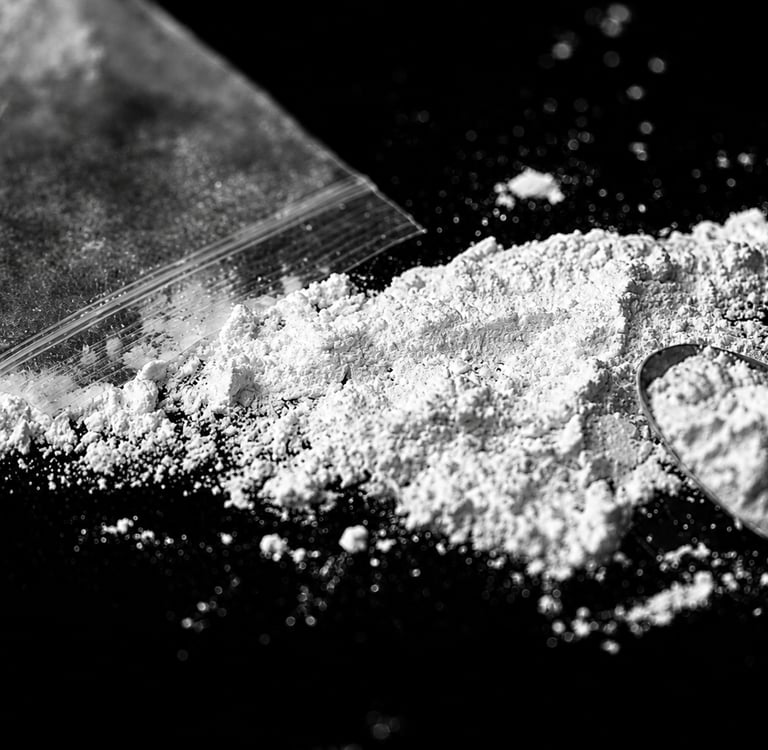
Spanish authorities made history in early May 2026 when they intercepted the Arconian in Atlantic waters south of the Canary Islands. The ship was carrying more than 30 metric tons of cocaine (cocaína), making it one of the largest seizures ever recorded in European waters. The vessel had reportedly departed from Sierra Leone in West Africa and was believed to be part of a major trafficking operation aimed at the Iberian Peninsula. The case immediately attracted international attention because of the size of the shipment and the complexity of the route.
The seizure was not important only because of its enormous quantity. It also revealed how criminal organisations are changing the way they move drugs from Latin America to Europe. Alongside the cocaine, authorities found tens of thousands of litres of fuel, allegedly intended to refuel high speed boats at sea. This detail points to a sophisticated logistics (logística) system in which large vessels, smaller boats, armed guards, brokers, and coastal landing teams may all play separate roles. Instead of relying only on traditional ports, traffickers appear to be using the open ocean as an increasingly flexible delivery zone.
The Arconian case also reflects the continuing global boom in cocaine production. Colombia remains one of the main source countries, and international reports have linked rising cocaine availability to expanded cultivation, higher output, and strong demand in destination markets. Europe has become one of the most important consumer regions, with cocaine described as the second most commonly used illicit drug after cannabis in several European analyses. The scale of demand (demanda) helps explain why criminal groups are willing to risk such large shipments. If even one operation succeeds, the profits can be enormous.
A closer look at the alleged organisation behind the shipment shows how fragmented and multinational the cocaine trade has become. Spanish authorities and media reports have linked the operation to networks associated with the so called Mocro Maffia, a term often used for criminal structures rooted in the Netherlands and Belgium. These groups do not necessarily operate as a single unified cartel, but rather as a constellation of clans, brokers, investors, transport specialists, and violent enforcement teams. This kind of network (red) makes investigations difficult because responsibility is spread across many people, countries, and functions.
European criminal organisations have increasingly tried to build direct relationships with suppliers in Latin America. By placing representatives or trusted intermediaries closer to production zones, they can negotiate shipments without depending entirely on older trafficking chains. In Colombia, access to cocaine often requires contact with armed groups that control coca cultivation areas, laboratories, and export corridors. These links show how brokers (intermediarios) have become essential actors in the modern cocaine pipeline. They connect buyers, producers, transporters, and money handlers who may never deal directly with one another.
The size of the Arconian shipment suggests that it may not have belonged to one criminal group alone. Moving more than 30 tons of cocaine normally requires shared investment, shared risk, and shared distribution plans across several European markets. Spanish authorities have previously found that large cocaine loads can involve many different organisations using the same route or container system. The shipment (cargamento) therefore appears to represent cooperation among criminal actors rather than the work of a single isolated group. Fragmentation has not led to smaller loads; instead, multiple groups may combine resources to move larger volumes.
West Africa’s role in the case is particularly significant. The Arconian departed from Sierra Leone, a country that has recently appeared in reporting about the movement of cocaine between Latin America and Europe. West Africa has long been vulnerable to traffickers because of its geography, limited maritime enforcement capacity, corruption risks, and proximity to Atlantic routes. The region’s value as a transit (tránsito) hub has grown as criminal groups search for staging points outside the most heavily monitored European ports. From there, shipments can be reorganised, disguised, or redirected toward different European destinations.
The alleged connection to Dutch fugitive Jos Leijdekkers, known as “Bolle Jos,” brought additional attention to Sierra Leone. Dutch authorities sentenced him in absentia to a long prison term for his role in drug trafficking and violent crime, but he has reportedly remained outside their reach. Spanish reporting has linked him to the Arconian case, although the full judicial process will determine the legal facts. His alleged presence in West Africa illustrates the safe haven (refugio) problem faced by law enforcement. When major traffickers can operate from countries with weaker extradition or enforcement mechanisms, international investigations become slower and more complicated.
The discovery of large fuel reserves aboard the Arconian showed that ports may no longer be essential to major cocaine operations. Traditionally, large cocaine shipments entered Europe through commercial ports such as Rotterdam, Antwerp, Hamburg, Algeciras, or Valencia, often hidden in containers. Increased police pressure, container scanning, port security reforms, and intelligence sharing have forced traffickers to diversify their methods. The use of vessels (embarcaciones) such as go fast boats allows criminal groups to unload cocaine at sea and move it toward less protected coastal areas. This does not eliminate port trafficking, but it adds another layer to the maritime threat.
Go fast boats have become especially important in parts of southern Spain. These vessels can travel quickly, carry heavy loads, and operate in coastal or river environments where enforcement is difficult. In recent years, traffickers have used them not only for hashish routes from North Africa but increasingly for cocaine movements connected to Atlantic shipments. Their speed gives criminal groups an operational advantage (ventaja) over traditional patrol systems unless law enforcement has strong intelligence in advance. This has contributed to rising danger for police, civil guards, and coastal communities.
The violence linked to these maritime routes is one of the most worrying consequences of the changing drug trade. When shipments are worth hundreds of millions of euros, criminal organisations often use armed guards, intimidation, and corruption to protect their cargo. In southern Spain, officials and police associations have warned that the spread of high speed trafficking boats brings weapons, confrontations, and greater insecurity. The violence (violencia) surrounding these operations is not accidental, but part of the business model. Groups that move such large quantities need the ability to defend shipments, punish losses, and control landing points.
The Arconian seizure also highlights the importance of international cooperation. Spanish authorities received support from partners including Dutch and American agencies, while broader European maritime operations often rely on intelligence exchange through organisations such as Europol and the Maritime Analysis and Operations Centre Narcotics. No single country can monitor the Atlantic alone, especially when ships may begin in Latin America, stop in West Africa, sail under foreign flags, and target European coastlines. Effective cooperation (cooperación) is therefore one of the strongest tools against transnational trafficking. Without shared intelligence, many operations would only be detected after the drugs had already reached the market.
At the same time, record seizures do not automatically mean that the cocaine market is shrinking. In some cases, larger seizures can indicate that authorities are becoming more effective, but they can also show that more cocaine is moving overall. European agencies have warned that large quantities continue to reach the continent and that criminal networks are highly resilient. The resilience (resiliencia) of these groups comes from their ability to replace routes, recruit specialists, corrupt officials, and absorb losses. A single record bust can damage a network, but it rarely destroys the wider market.
The Arconian case therefore offers a clear picture of a drug trade in transition. Production in Latin America remains high, European demand remains strong, West Africa has become an increasingly important bridge, and maritime smuggling methods are becoming more flexible. Spain’s geography makes it both a frontline enforcement zone and an attractive destination for traffickers trying to reach the wider European market. The central challenge (desafío) for authorities is to adapt as quickly as the criminal networks do. The seizure of more than 30 tons of cocaine was a major success, but it also showed that the Atlantic cocaine route is larger, more complex, and more dangerous than ever.
Key Spanish Vocabulary
cocaína cocaine
logística logistics
demanda demand
red network
intermediarios brokers
cargamento shipment
tránsito transit
refugio safe haven
embarcaciones vessels
ventaja advantage
violencia violence
cooperación cooperation
resiliencia resilience
desafío challenge
For enquiries or suggestions: pr@instituto-espanol.com
Come visit Spain!
© Copyright 2026 Instituto Español
Learn the official language of Spain in 30 days thanks to the most complete Grammar, Vocabulary and Culture courses available. Start speaking Spanish today!