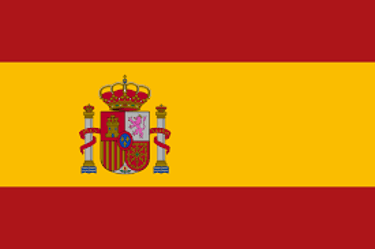
Spanish Flag Falls During Armed Forces Day Ceremony in Front of King Felipe
An unexpected moment in Vigo highlighted royal composure, military tradition, and Princess Leonor’s growing public role.
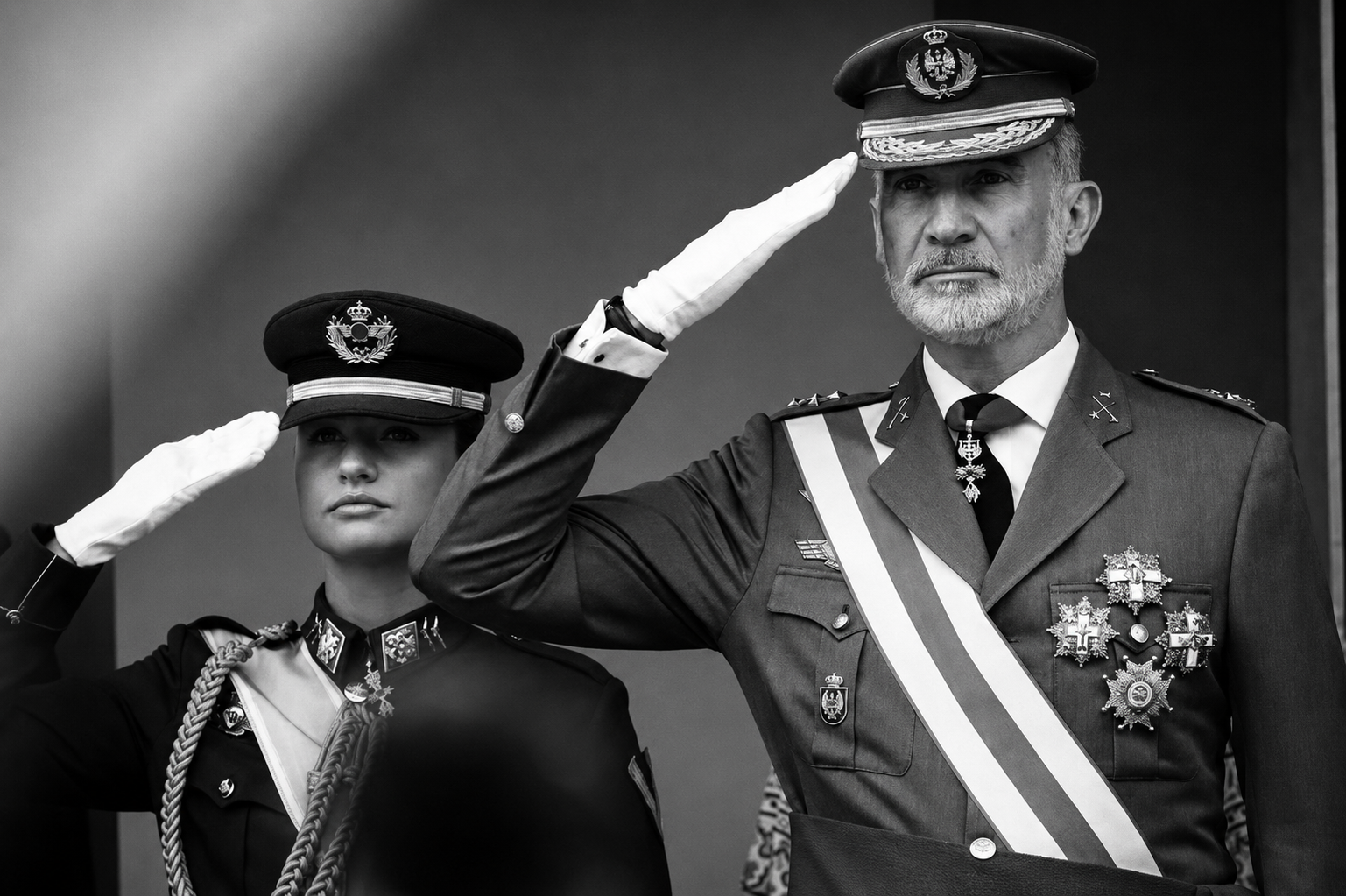
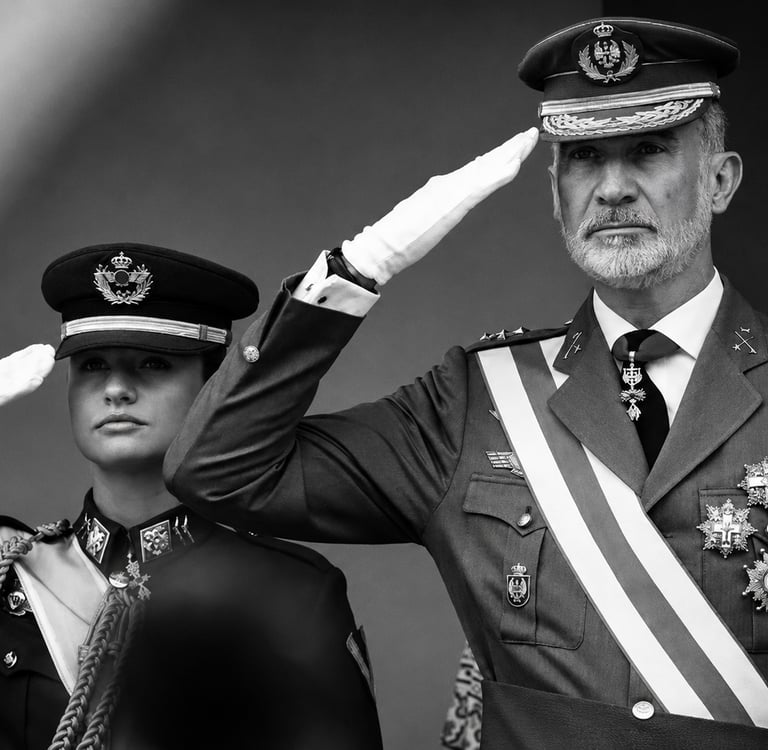
Spain’s Armed Forces Day in Vigo was meant to be a solemn celebration of military service, national unity, and royal continuity. During the main ceremony (ceremonia) on May 30, 2026, King Felipe VI stood beside Princess Leonor as the Spanish flag was raised before the assembled troops and spectators. The event brought together members of the royal family, military units, officials, and the public for one of Spain’s most symbolic annual displays. Yet a sudden accident turned a carefully planned moment into a widely shared scene.
King Felipe VI attended the event with Queen Letizia and their eldest daughter, Princess Leonor, who is heir to the Spanish throne. The family appeared in Vigo to preside over the central events of Armed Forces Day, which traditionally honors the Army, Navy, Air and Space Force, and other military bodies. For Princess Leonor, the day marked an important debut (debut) because it was her first time joining her parents at this national military celebration. Her presence also carried special meaning because she is completing the military preparation expected of the future monarch.
The unexpected incident happened while the Spanish national flag was being raised during the formal part of the program. King Felipe and Princess Leonor stood in salute as music played and the ceremony continued in front of soldiers and guests. Suddenly, the flag came loose and fell from the mast, landing near soldiers positioned below. The mishap (percance) briefly interrupted the atmosphere of order and precision that usually defines official military ceremonies.
Footage of the moment showed King Felipe following the falling flag with his eyes, visibly surprised but still composed. He kept his salute, maintaining the composure (compostura) expected from a monarch during a public and highly symbolic act. The flag was quickly recovered, and the ceremony continued without the incident becoming a larger disruption. Reports in Spanish and international media said the fall was caused by a broken hook or mechanical failure on the flagpole.
The scene attracted attention not only because of the accident itself but also because flags have deep symbolic importance in military and state ceremonies. In such events, the national flag represents sovereignty, service, sacrifice, and the constitutional order. That is why the brief fall of the flag (bandera) became more than a simple technical problem for many viewers. Even though the situation lasted only moments, it stood out because it happened in front of the king, the future queen, and assembled armed forces.
The flag incident was not the only difficulty during the Armed Forces Day events in Vigo. Weather conditions also affected the day’s schedule, forcing organizers to cancel some planned parts of the aerial program. Strong winds and cloud cover reportedly made it impossible to carry out the parachute jump and portions of the air display safely. These cancellations showed how even a carefully organized parade (desfile) can be reshaped by practical conditions beyond the control of planners.
Armed Forces Day is one of the most visible military ceremonies in Spain and usually includes troops, vehicles, aircraft, music, and tributes to fallen service members. It also allows citizens to see different branches of the armed forces in a public setting. The event in Vigo was especially important because Princess Leonor’s attendance connected the celebration to the future of the monarchy and the institutional role she is being prepared to assume. Her training (formación) has included time with the Army, the Navy, and the Air and Space Force.
King Felipe’s presence at the ceremony reflects his constitutional and symbolic position in Spain’s public life. As monarch, he is head of state and holds the highest military rank associated with supreme command of the armed forces. In practice, operational military decisions belong to the elected government, including the Ministry of Defense and the prime minister. Still, the king’s role (papel) remains central in ceremonial acts, national commemorations, and moments that represent institutional continuity.
Felipe VI’s own biography helps explain why military ceremonies carry personal and constitutional significance for him. Before becoming king, he entered military training in the 1980s and completed preparation with the Army, Navy, and Air Force. That background now forms part of the public image he brings to events such as Armed Forces Day. His leadership (liderazgo) in these settings is mostly symbolic, but symbolism matters strongly in a constitutional monarchy.
Princess Leonor’s path follows a similar pattern of preparation, although adapted to her position as the first in line to the throne. She began her military education at the General Military Academy in Zaragoza in 2023 and later continued with naval training, including experience connected to the Spanish Navy. Her current stage involves the Air and Space Force, completing a cycle designed to prepare her for her future responsibilities. This process strengthens her future (futuro) connection with the armed forces she is expected to represent one day.
Her appearance in uniform at the Vigo event underlined how quickly she is moving from a young royal figure into a more active public representative of the state. For many Spaniards, seeing Leonor beside her father at a major military event made the line of succession more visible. She is expected one day to become Spain’s first reigning queen since Isabella II, who ruled in the nineteenth century. That historical succession (sucesión) gives her public training and ceremonial appearances extra importance.
The event also came at a time when royal ceremonies across Europe are often closely watched and quickly circulated online. A small accident that might once have been remembered only by those present can now become a viral video within minutes. That is why the falling flag drew attention far beyond Vigo and became part of a wider conversation about protocol, symbolism, and public image. In modern royal life, every moment (momento) can be replayed, interpreted, and compared with other ceremonial incidents.
The Spanish incident was compared with another recent flag mistake involving King Charles III and Queen Camilla during a visit to the United States. During that separate event, the Union Jack was reportedly flown upside down, which is considered improper because of the flag’s specific design and rules of display. Such mistakes are usually accidental, but they attract attention because flags are treated as formal symbols of national dignity. The comparison gave the Spanish incident (incidente) a broader royal context.
Despite the awkwardness, the Vigo ceremony continued, and the royal family remained focused on the purpose of the day. The military parade, the public tributes, and the participation of Princess Leonor all remained central parts of the event. King Felipe’s reaction helped prevent the flag accident from overshadowing the entire celebration. His calm response turned an unexpected challenge (desafío) into a demonstration of discipline and ceremonial restraint.
The incident may be remembered as an unusual image from an otherwise important day for Spain’s royal family and armed forces. It combined a technical failure, difficult weather, public attention, and a major step in Princess Leonor’s institutional life. More importantly, it showed how ceremonial events depend not only on perfect planning but also on the ability to respond calmly when something goes wrong. In that sense, the symbolism (simbolismo) of the day survived the accident and remained focused on service, continuity, and national representation.
Key Spanish Vocabulary
ceremonia ceremony
debut debut
percance mishap
compostura composure
bandera flag
desfile parade
formación training
papel role
liderazgo leadership
futuro future
sucesión succession
momento moment
incidente incident
desafío challenge
simbolismo symbolism
For enquiries or suggestions: pr@instituto-espanol.com
Come visit Spain!
© Copyright 2026 Instituto Español
Learn the official language of Spain in 30 days thanks to the most complete Grammar, Vocabulary and Culture courses available. Start speaking Spanish today!